
Last updated November 4, 2026
 Wrought iron
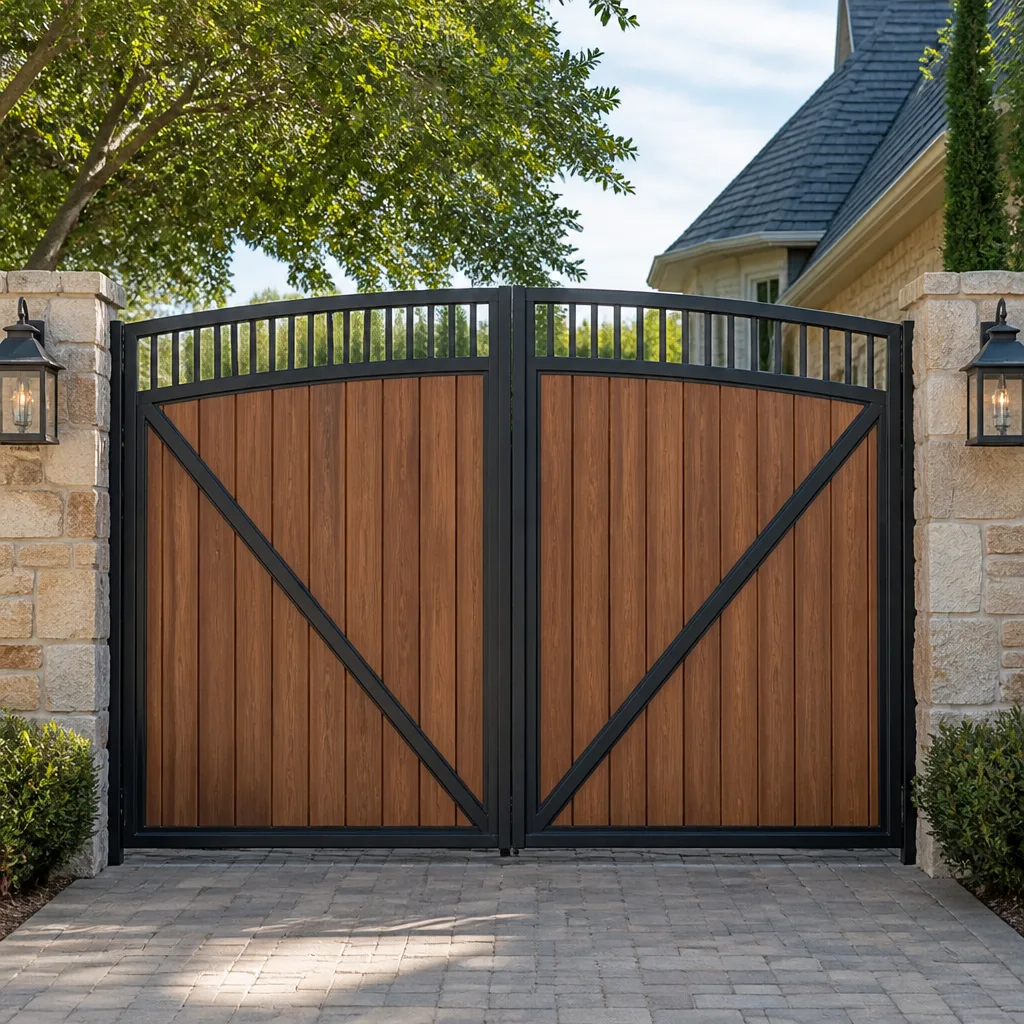 Wood & steel frame
 Farm & ranch
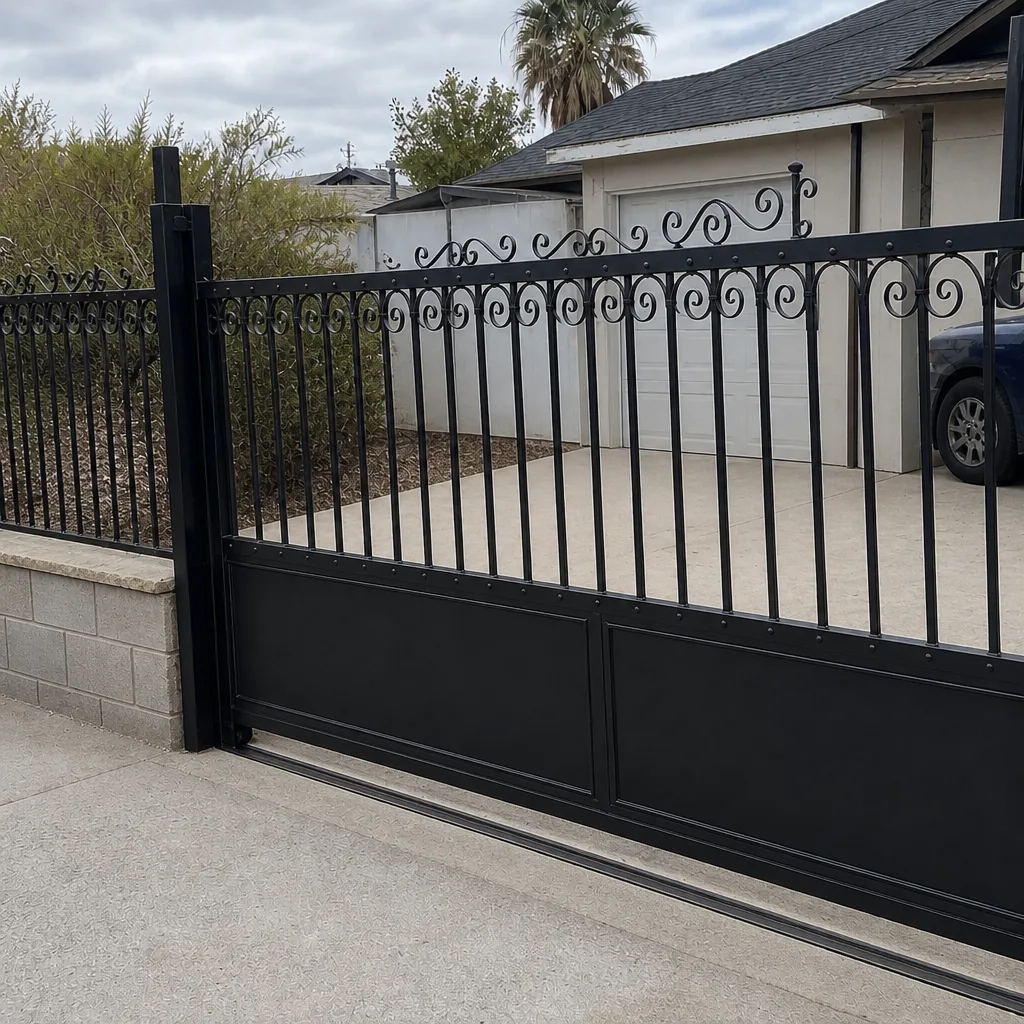
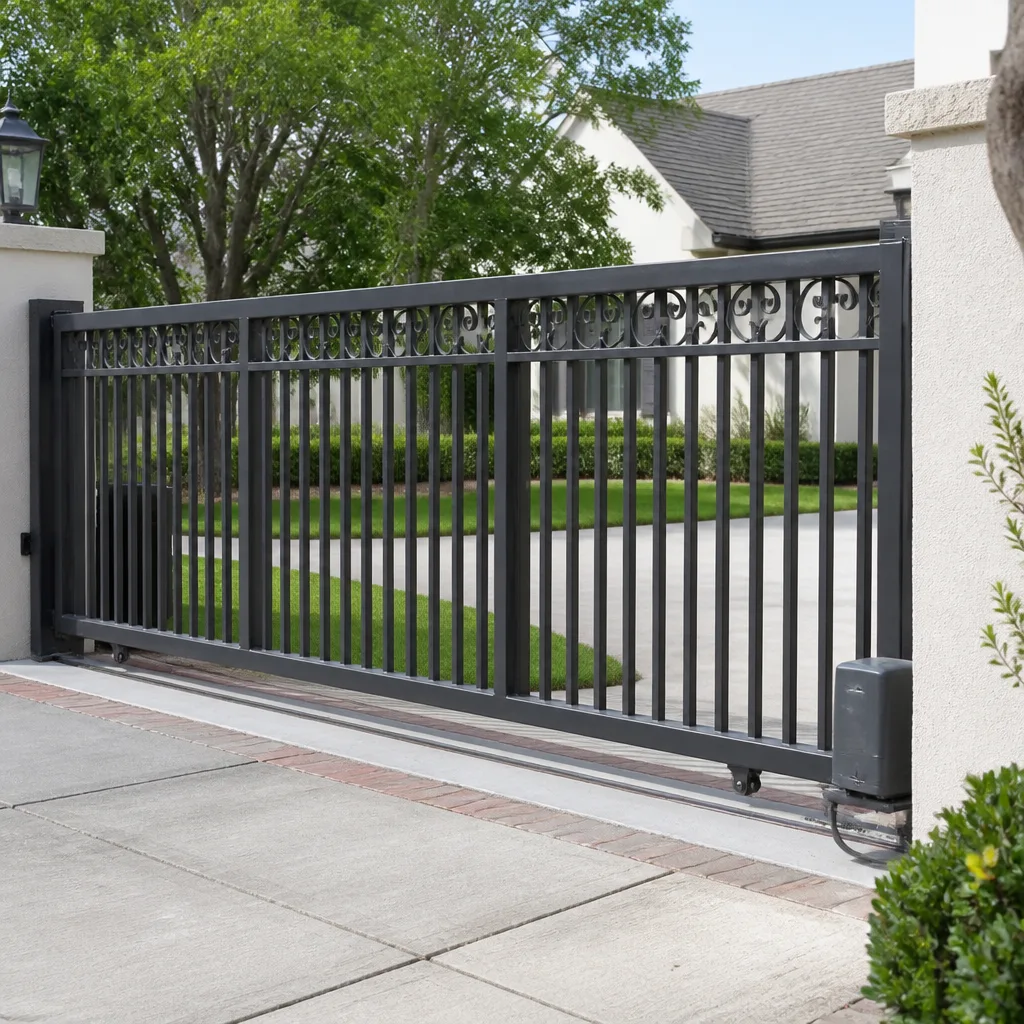 Sliding driveway gates
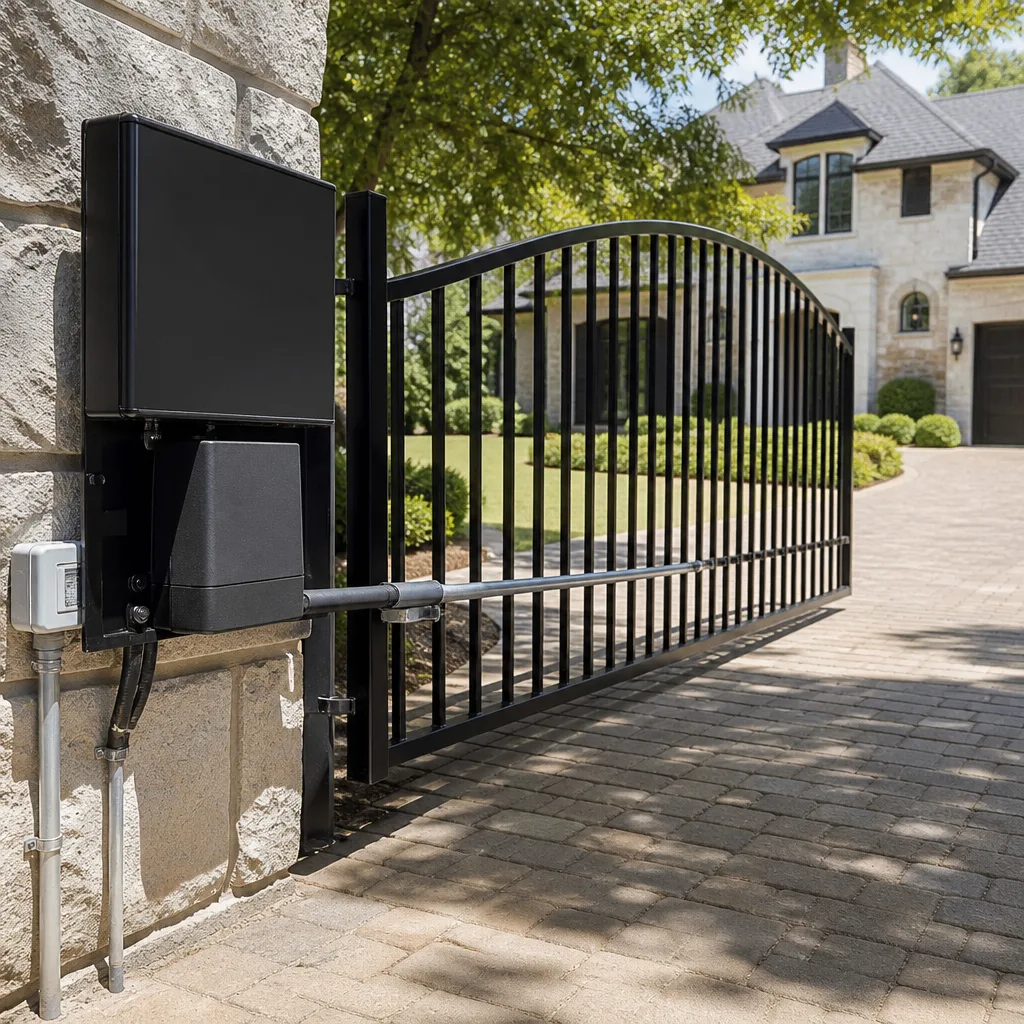 LiftMaster operators
Free on-site gate assessment - hinges, posts, and your LiftMaster or Nice gate operator checked before anything is quoted
The assessment is free and the quote is the invoice.
Get your free estimateThe Complete Guide to Gate Repair in Perris
Here’s something most people don’t realize until a gate stops working: a gate that reverses before it finishes opening and a gate that won’t open at all usually have the same root cause. In Perris, where summer temperatures routinely pass 110°F, that cause is often a motor that’s been cooked by heat soak in a metal housing that acts like an oven. The symptom looks different, but the origin is identical. This guide maps every common gate problem back to its mechanical source, so you stop chasing symptoms and start understanding what actually failed. We’ll cover the five failure categories behind the vast majority of gate issues, why heat accelerates them in the Inland Empire specifically, and how to tell when a repair buys you years versus when it just delays the inevitable. If you live in Perris, this is the clearest picture you’ll find of how your gate actually works and what takes it down.
Styles & brands we work with
- Wrought iron
- Wood & steel frame
- Farm & ranch
- Sliding driveway gates
- LiftMaster operators
Quick Answer
Gate repair in Perris typically means diagnosing an electric operator that stopped responding, a misaligned slide gate that binds on its track, or a swing gate that sags and drags. Most failures trace to one of five root causes: power supply interruption, physical obstruction, track or hinge misalignment, operator wear, or control board failure. A specialist who understands the specific system you own can usually isolate the problem in one visit, and the repair cost depends on which of those five systems actually failed.
Table of Contents
- How Perris Heat Accelerates Gate Failures
- The Five Mechanical Root Causes Behind Most Gate Failures
- Electric vs. Manual Gates: Different Diagnostic Starting Points
- Brand-Specific Failure Patterns We See in Perris
- Repair vs. Replacement: How to Tell the Difference on Your Gate
- Step-by-Step: What a Proper Gate Diagnosis Actually Involves
- Common Mistakes to Avoid
- When to Call a Professional
- Frequently Asked Questions
- The Bottom Line
How Perris Heat Accelerates Gate Failures
The single biggest environmental factor in Perris gate repair is heat. Not a mild sort of heat, either. Summers here climb past 110°F, and that changes how gate components age. A gate operator mounted in a steel or aluminum box absorbs direct sunlight for hours. The interior of that housing can be significantly hotter than the ambient air. Circuit boards, capacitors, and transformer coils inside are being baked every single day from June through September, even when the gate isn’t cycling.
Heat does two specific things to gate systems in Perris. First, it degrades electronic components faster than the manufacturer’s average lifespan assumes. A control board that might last eight years in a coastal climate can fail in five or six here, simply because solder joints expand and contract repeatedly. Capacitors dry out. Wiring insulation gets brittle. Second, heat affects the mechanical side too. Metal gates and tracks expand in direct sun. A slide gate that rolls freely in the morning can bind in the afternoon when the steel has absorbed hours of radiation. Chain-driven operators stretch faster in sustained heat. Grease thins and runs off hinges, leaving them dry and grinding.
We also see heat-related nuisance tripping. Photo-eye sensors mounted low to the ground can malfunction when the surface gives off heat shimmer. The beam scatters, the sensor thinks something crossed the path, and the gate refuses to close or reverses mid-cycle. Homeowners think the board is bad. Often it’s just heat distortion at the sensor. That’s a big part of why gate repair in this region always starts with a thermal profile of the failure: when does it happen, how hot was it, and what was the gate doing right before it stopped?
None of this is cause for alarm. It’s cause for a different maintenance approach. Components in Perris should be inspected for heat-related wear more often than a textbook schedule suggests. Hinges need lubrication before summer, not just when they start squealing. Control boards need ventilation checked. A motor that’s already marginal will give out on the hottest day of the year, because that’s when its thermal protection circuit finally trips for good.
The Five Mechanical Root Causes Behind Most Gate Failures
After years of diagnosing gates across Perris, we can group almost every failure into one of five categories. They aren’t mysterious. What makes them hard for homeowners is that several of them produce overlapping symptoms, so the average person replaces a part that wasn’t actually the problem.
- Power supply interruption. This is the most common cause of a completely dead gate, and it’s often the simplest to fix. A tripped breaker, a GFCI outlet that cut out, a failed transformer, or a battery backup that’s been depleted. Before anything else, we verify that the operator is actually receiving proper voltage at the board. Half the “dead gate” calls in Perris end up being a power issue upstream of the operator itself.
- Physical obstruction. A rock wedged in the slide track. A tree root lifting a section of rail. A warped gate panel from years of direct sun. A vehicle bumping the gate just hard enough to move a post half an inch. Obstructions can stop a gate in its tracks, but they can also cause the operator to trip its internal safety circuit repeatedly. The gate works sometimes, fails others, and the owner assumes the motor is weak.
- Track or hinge misalignment. Slide gates depend on track that’s level, straight, and securely anchored. Swing gates depend on hinges and posts that hold the leaf in plane. In Perris, ground shifting from dry soil contraction slowly moves posts and piers. A gate that gradually starts dragging, squealing, or jerking is usually in this category. The longer misalignment is ignored, the more load it puts on the operator, and that’s when the operator fails too.
- Operator wear. Motors, gearboxes, chains, belts, and drive shafts all have mechanical service lives. When they wear out, the gate may run slow, strain, reverse, or stop entirely. Heat here shortens that service life. An operator that would last ten years in a milder climate may be done at seven or eight in Perris because thermal stress has compounded the normal mechanical wear. Electric gate repair usually comes down to this category or the next one.
- Control board failure. The board is the brain. It receives signal from remotes, keypads, loop detectors, and edge sensors, and it tells the motor what to do. When a board fails, the gate may open but not close, close but not open, ignore the remote, or start and stop erratically. Boards fail from heat, power surges from summer brownouts, moisture intrusion, or simply age. Board diagnosis requires knowing the brand and model well enough to test inputs and outputs in sequence.
What makes this list useful is that it gives you a framework when something goes wrong. Dead gate? Start with power. Gate works intermittently? Look at obstruction and alignment. Gate runs but doesn’t respond to commands? That’s the board. Slow or straining gate? Operator wear. The framework turns a confusing failure into a systematic elimination process.
Electric vs. Manual Gates: Different Diagnostic Starting Points
One of the biggest mistakes we see in Perris is treating an electric gate like a manual gate with a motor bolted on. They fail differently, and diagnosing them requires different starting points.
A manual swing or slide gate has no automation to mask problems. If it’s hard to move, the problem is mechanical, full stop. Hinges, track rollers, guide posts, or structural sag. You feel the failure directly. Manual gate diagnosis starts with physical inspection: lift the gate, roll it, swing it, measure the gaps. When a manual gate drags or sticks, you fix the hinge, the wheel, or the post, and the problem is visible.
An electric gate adds layers. The mechanical components still matter, but now the operator introduces force, speed, and electronic control. An electric gate that’s hard to open manually may be fighting a bad hinge, but it also may be fighting an operator’s internal brake that hasn’t disengaged. A gate that reverses mid-cycle could be an obstruction, a misaligned photo-eye, or a force-sensitivity setting that’s too low. In Perris, we see this last one often on older LiftMaster and Linear operators that had their force limits set at installation and never adjusted as the gate grew heavier, dirtier, or more misaligned.
The diagnostic order matters. On a manual gate, you start at the hinge and track. On an electric gate, you start at the operator and work outward: is there power? Does the board respond to command inputs? Does the motor run? Does the drive system transfer motion to the gate? Only then do you evaluate the mechanical path. Swapping that order wastes time and replaces parts that weren’t failing.
It’s also why “we work on the brand you already own” matters more than people expect. A BFT hydraulic operator fails differently than a FAAC electromechanical operator. The circuit boards behave differently under voltage test. The clutch adjustments are in different places. Brand-specific expertise isn’t a marketing phrase. It’s the difference between a 45-minute diagnosis and a three-hour guessing session.
Brand-Specific Failure Patterns We See in Perris
Here’s where gate specialization pays off in concrete terms. Each major gate brand has its own personality, and in Perris’s heat, certain patterns repeat. We work on LiftMaster, FAAC, BFT, and Linear daily, and each one presents failures in a recognizable way.
LiftMaster is everywhere in residential Perris. It’s a solid brand, but its operators tend to be sensitive to low voltage and surge events. During summer brownouts or when a neighborhood transformer flickers, LiftMaster boards sometimes take the hit even if the house itself doesn’t lose power visibly. The symptom is often a gate that worked at noon and is completely dead at 3 p.m. with no storm in sight. We also see LiftMaster gears strip when a gate is misaligned and the operator keeps forcing it against increasing resistance.
FAAC makes both hydraulic and electromechanical operators. The hydraulic units run smooth but need their fluid checked and their seals watched, especially in sustained heat. A FAAC hydraulic operator that’s low on fluid or has a weeping seal will labor and eventually fault out. The electromechanical FAAC units, like the popular swing arms, are more common on residential installations here. Their failure pattern tends to show up in the mounting hardware loosening over time, which then transfers uneven load into the operator and causes premature wear. Tighten a FAAC arm before it gets bad, and it runs for years.
BFT operators show up on both residential and commercial gates in the Perris area. BFT’s control boards are sophisticated, which means when they fail, the failure is usually complete rather than partial. A BFT gate that’s behaving erratically is more often a sensor input issue than a board problem, but a BFT gate that’s dead with no display is usually the board itself. Heat accelerates the capacitor aging in these boards noticeably.
Linear is the workhorse of many older Perris installations, especially on apartment complex and small commercial gates. Linear operators are mechanically robust. What we see fail most is the limit switch assembly and the run capacitor after years of heat cycling. A Linear operator that opens but won’t close, or that closes and then immediately stops, is often a limit switch that’s drifted out of position or failed electrically. The fix is usually straightforward once you know what you’re looking at.
We don’t need you to know which brand you have before calling. We’ll identify it on arrival. But we mention these patterns because they explain why a gate expert asks different questions than a generalist. “What brand is it” isn’t small talk. It’s the first branch in a specific diagnostic tree.
Repair vs. Replacement: How to Tell the Difference on Your Gate
This is the question every homeowner eventually faces, and the honest answer is that it depends on three things: the age of the operator, the condition of the mechanical structure, and the cost relationship between the failed component and a complete system.
First, the operator. If your gate’s mechanical frame, track, hinges, and posts are solid, but the operator itself is old, heat-damaged, and failing, the math often favors replacing the operator rather than rebuilding it piece by piece. A motor replacement, a board replacement, and a gear rebuild in the same year can easily exceed the cost of a new operator with a warranty. Motor and board replacements separately can also cost more than a complete operator assembly. When we quote a repair versus a replacement side by side, the numbers usually clarify the decision in about ten minutes.
Second, the structure. If the gate leaf is rusted through at the frame rail, or the gate post has shifted so far that no operator adjustment will align it, replacing a motor does nothing about the underlying problem. You’ll spend for the operator and then spend again for the post or the gate panel within a couple years. In those cases, repair buys time but not resolution. A new gate or post, used with the existing operator if it’s still good, is sometimes the cheaper long-term path.
Third, the control technology. Older operators from the 1990s and 2000s used simpler boards and motors that are increasingly hard to source. If a board fails on a twenty-year-old linear operator and the replacement board is discontinued or costs nearly what a new operator does, replacement is the clear call. We’re repair first, replace only when it makes sense, and the way we show that is by putting actual numbers in front of you and explaining the lifespan tradeoff.
In Perris specifically, age-adjusted lifespan matters. Heat compresses the useful life of operators here. A nine-year-old operator in this climate has roughly the remaining life that a six-year-old operator would have in a milder city. That doesn’t mean replace it early. It means when a major component fails, the replacement calculation starts from a shorter expected remaining life, and that changes whether the repair pencil works out.
Step-by-Step: What a Proper Gate Diagnosis Actually Involves
When one of our technicians arrives at a gate in Perris, the process follows a specific order. This is what separates a focused diagnosis from a parts-swapping exercise.
- Listen to the symptom story. Before touching anything, we ask what happened exactly. When did it stop? Was it gradual or sudden? Does it fail every time or only sometimes? Was there a recent storm, power fluctuation, or work done near the gate? The story often narrows the search to one of the five root causes before we open a single panel.
- Verify power at the source. We check the circuit, the outlet, the disconnect, and the voltage arriving at the operator. No point testing a board if the outlet feeding it has tripped.
- Inspect the mechanical path. Before blaming electronics, we roll or swing the gate manually if the operator allows it. A gate that’s hard to move by hand isn’t being beaten by a weak motor; it’s fighting a mechanical problem. That order protects the new parts we haven’t installed yet.
- Test the command inputs. Does the board see the remote? The keypad? The loop detector if there is one? A board that’s fine but blind to its inputs produces symptoms that mimic board failure.
- Isolate the board and motor. If power, mechanicals, and inputs all check out, then we focus on the board output and the motor itself. This is where brand knowledge guides the tests. A LiftMaster tests different than a BFT, and knowing the expected voltage readings saves time.
- Present the verdict with prices. You get the finding, the options, and a written estimate before any work begins. That’s also where we compare repair against replacement candidly.
A diagnosis done in this order takes less time, costs less, and doesn’t leave you with a new board bolted onto a gate that still has a bad hinge. It’s also why we don’t sell parts by phone before seeing the gate. Guessing over the phone is the fastest way to be wrong.
Common Mistakes to Avoid
- Replacing the battery before checking the power source. Many dead gates with a battery backup are actually dead because the outlet or breaker feeding the operator failed. The battery is doing its job by dying slowly. Replacing it without restoring line voltage just kills the new battery too. In Perris, summer brownouts make this mistake common.
- Forcing a gate open with a vehicle or by hand. An electric gate that’s stuck shouldn’t be muscle-opened. Manual release levers exist for a reason. Forcing the gate fights the operator’s drive system, gears, and brakes, and it can turn a simple repair into a full operator replacement. If the release won’t move, stop and call.
- Ignoring a gradually worsening gate. A gate that gets slower, louder, or jerkier over weeks isn’t breaking in; it’s wearing out. The longer it runs misaligned or strained, the more components it damages. Catching a hinge problem early is cheaper than replacing the operator the hinge eventually destroys.
- Spraying the control board with general-purpose cleaner or WD-40. Circuit boards and contact cleaners don’t mix with random aerosols. What volatilizes and condenses inside the board can cause shorts and corrosion. Lubricants belong on hinges and rollers, nowhere near the electronics.
- Buying a universal remote before confirming compatibility. Not all gates accept what the universal remote market claims. Frequency, coding, and encryption have all evolved over the years, and pairing a random remote to a modern BFT or LiftMaster board usually fails. Check the brand and model before spending on a remote that won’t pair.
- Attempting DIY spring or tension adjustments on a swing gate. Heavy gate leaves under tension can move suddenly. A gate panel that shifts under load can crush fingers or worse. If the gate isn’t balanced or the closing speed is wrong, that’s a job for someone with the right lifting equipment and experience.
When to Call a Professional
Some gate problems are worth a homeowner’s time to inspect. Checking a breaker, clearing an obvious obstruction from a slide track, or noticing that a photo-eye is dirty are all reasonable. But the moment the problem involves wiring, a control board, a motor that hums without moving, a gate that has come off its track, or heavy components under tension, call a specialist. These aren’t inconvenience jobs. A gate that falls or a gate that closes on a child or pet is a serious event, and the components that prevent that, like safety edges and loop detectors, need to work properly every single time. Gate Repair Perris offers free estimates in Perris, call (866) 569-6762. We answer 24/7. Fast dispatch from 7am to 7pm, Sunday through Friday.
Frequently Asked Questions
In most cases, an electric gate that won’t open is a power interruption, a tripped breaker, a failed transformer, or a depleted battery backup if the operator has one. If power is present, the cause is usually a control board fault, a failed motor capacitor, or a physical obstruction that has triggered the safety system. In Perris’s summer heat, board and capacitor failures are more frequent than in milder areas because sustained high temperatures age electronic components faster. Call (866) 569-6762 for an exact diagnosis, and estimates are free.
Gate repair costs in Perris depend on the component that failed. A simple photo-eye realignment or limit switch adjustment is the least expensive category. Hinge, roller, and track repairs cost more because they involve heavier components and more labor. Control board replacement and operator motor replacement are the most expensive common repairs because the parts themselves cost more. The final price is set in a written estimate before any work starts, and we never surprise you with an invoice that’s bigger than the quote. Call (866) 569-6762 for a free estimate.
Yes, we handle both electric and manual gate systems. Manual gates with hinge sag, track binding, or roller wear are a different diagnostic path than electric gates with board failures or motor problems, but both fall under the same core skillset. Some companies focus on one or the other, which is part of why a gate specialist with experience across both is useful when a gate’s problem spans the mechanical and electrical boundary. Whatever your gate is doing, call (866) 569-6762 and we’ll diagnose it on-site.
It depends on the operator’s age, the structure’s condition, and which part failed. A motor or board failure on a newer operator usually justifies repair. The same failure on a fifteen-year-old operator in Perris’s heat, where component life is shorter, often makes replacement the smarter financial choice. If the gate frame or post has failed, replacing the operator alone won’t fix the underlying problem. We quote both options side by side when it’s close, and the written estimate shows you the numbers before you commit.
We diagnose and repair LiftMaster, FAAC, BFT, and Linear systems regularly, along with several other major gate brands. Brand matters because boards, motors, and limit systems differ from one manufacturer to another, and a template approach to diagnosis wastes time and money. Knowing the specific brand on your gate lets us zero in on its known failure patterns instead of testing every possible cause. If you know the brand, tell us when you call at (866) 569-6762. If you don’t, we’ll identify it on arrival.
Call (866) 569-6762 and we’ll book you into Sunday’s schedule. We answer 24/7, so you can reach someone and get your gate on the books even when dispatch is closed. Fast dispatch runs from 7am to 7pm, Sunday through Friday, and a call made on Saturday goes into the next available opening. You won’t get a voicemail or a next-business-day callback; you’ll speak to someone who can schedule the repair.
The Bottom Line
Most gate failures in Gate Repair Perris territory come down to five mechanical roots: power, obstruction, alignment, operator wear, and control board failure. Heat in Perris accelerates all of them, which means gates here need a little more attention than the national average would suggest. The key is diagnosing the cause, not the symptom, and that usually requires understanding the specific brand and type of system you own. Electric gates need a different starting point than manual ones. Repair versus replacement is a numbers decision after an on-site diagnosis, not a guess made from a phone call. If your gate is acting up, call (866) 569-6762. We answer 24/7, fast dispatch from 7am to 7pm, Sunday through Friday, and every estimate is free.
Written by the team at Gate Repair Perris, serving Perris since 2012.
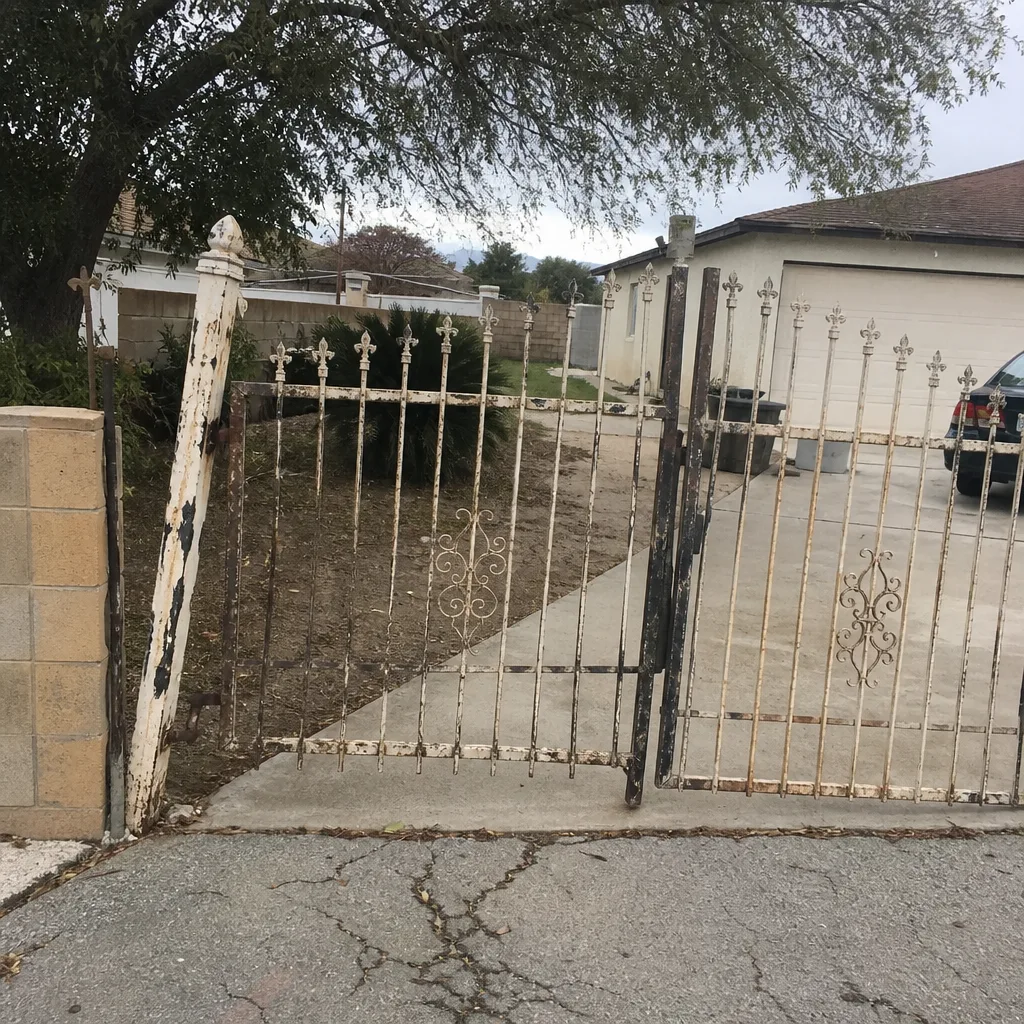
See the difference
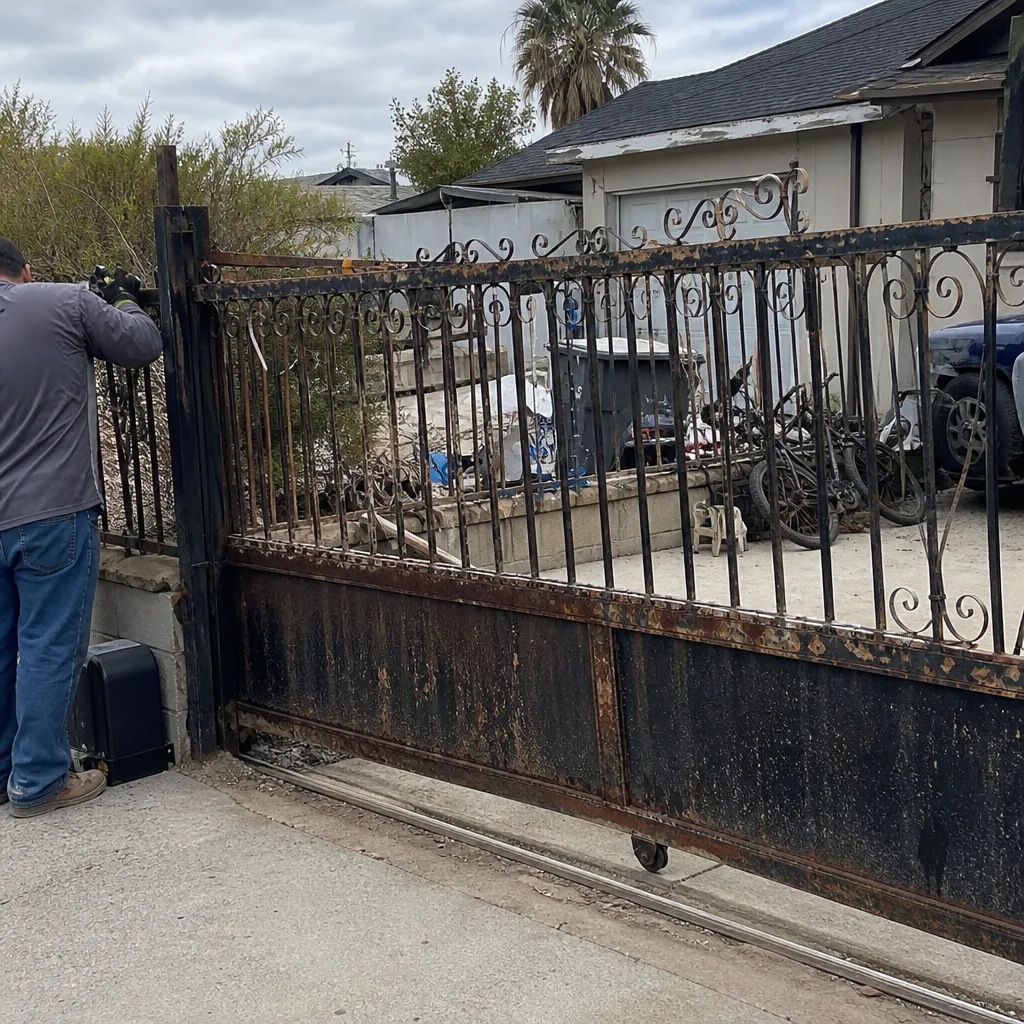 Before
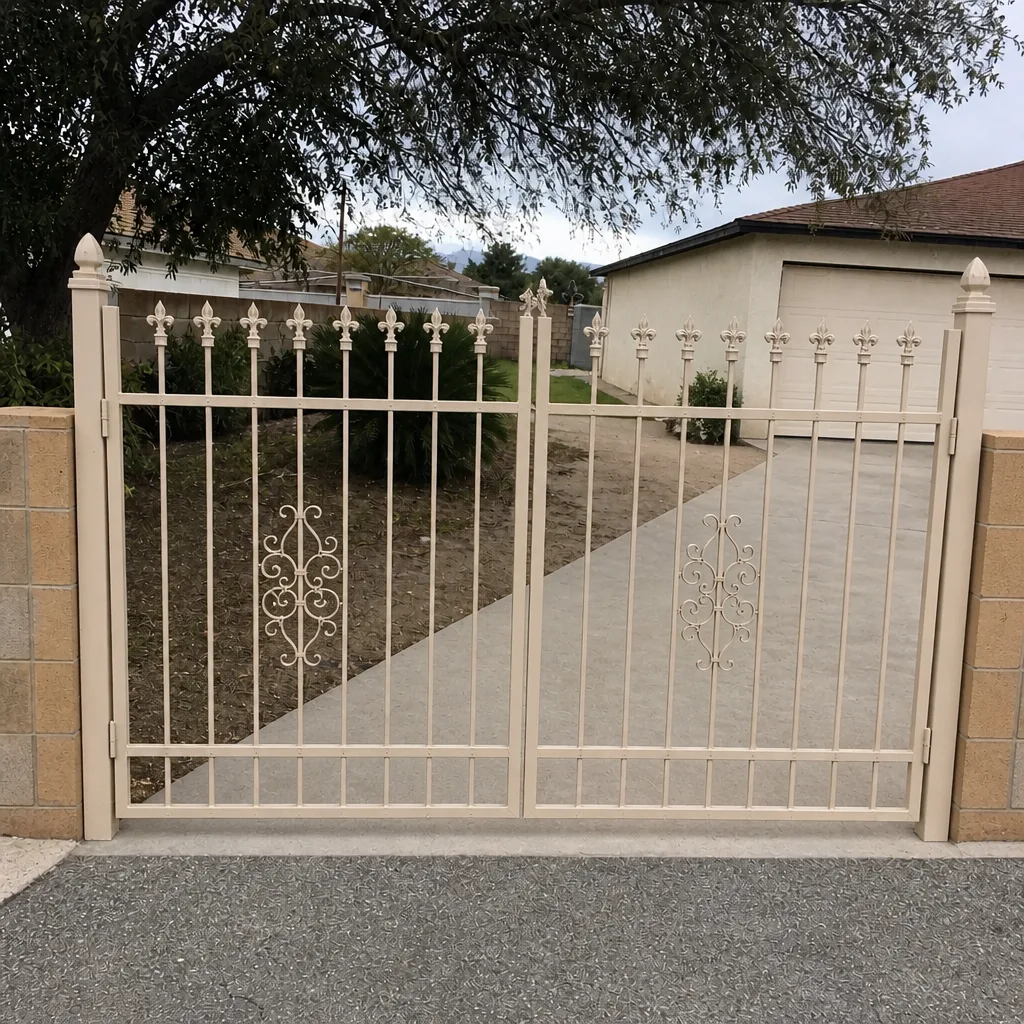
 After
 Before
 After
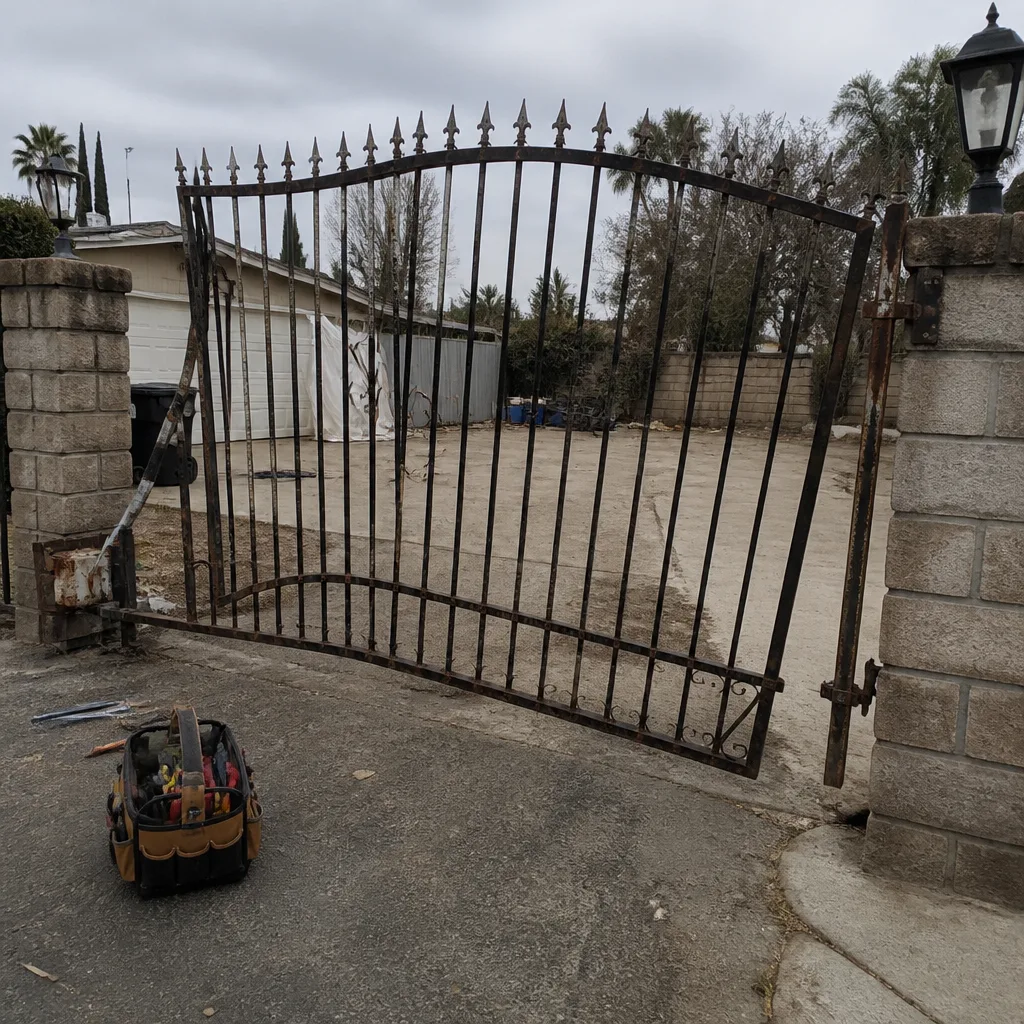 Before
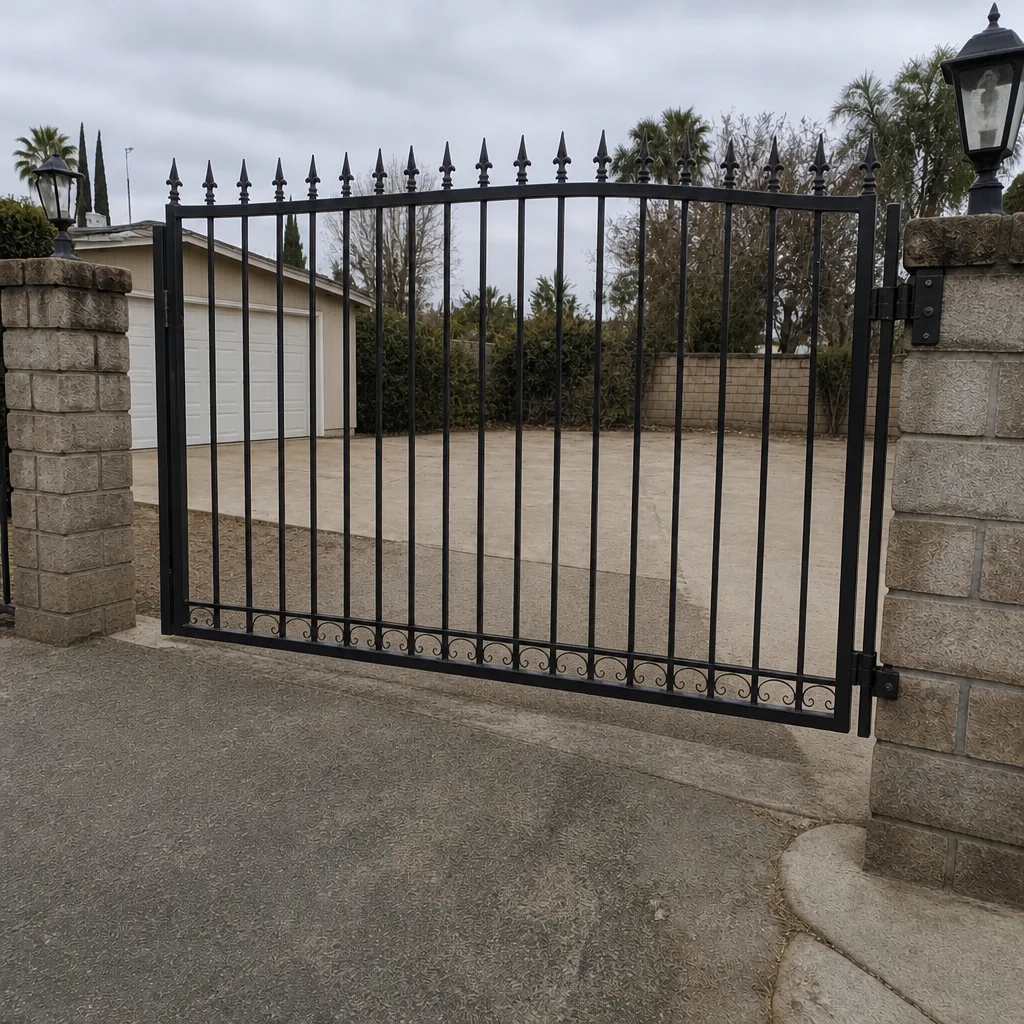 After