
Last updated November 4, 2026
 Wrought iron
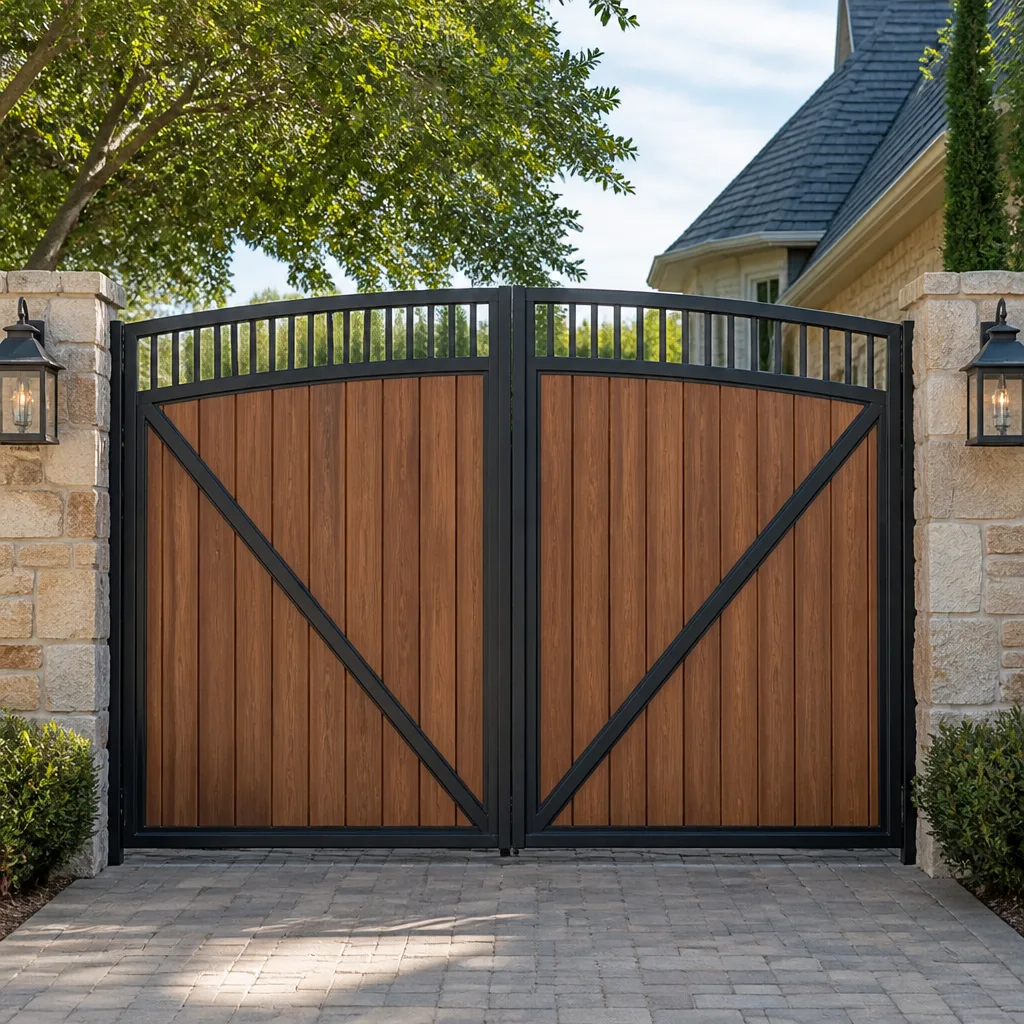 Wood & steel frame
 Farm & ranch
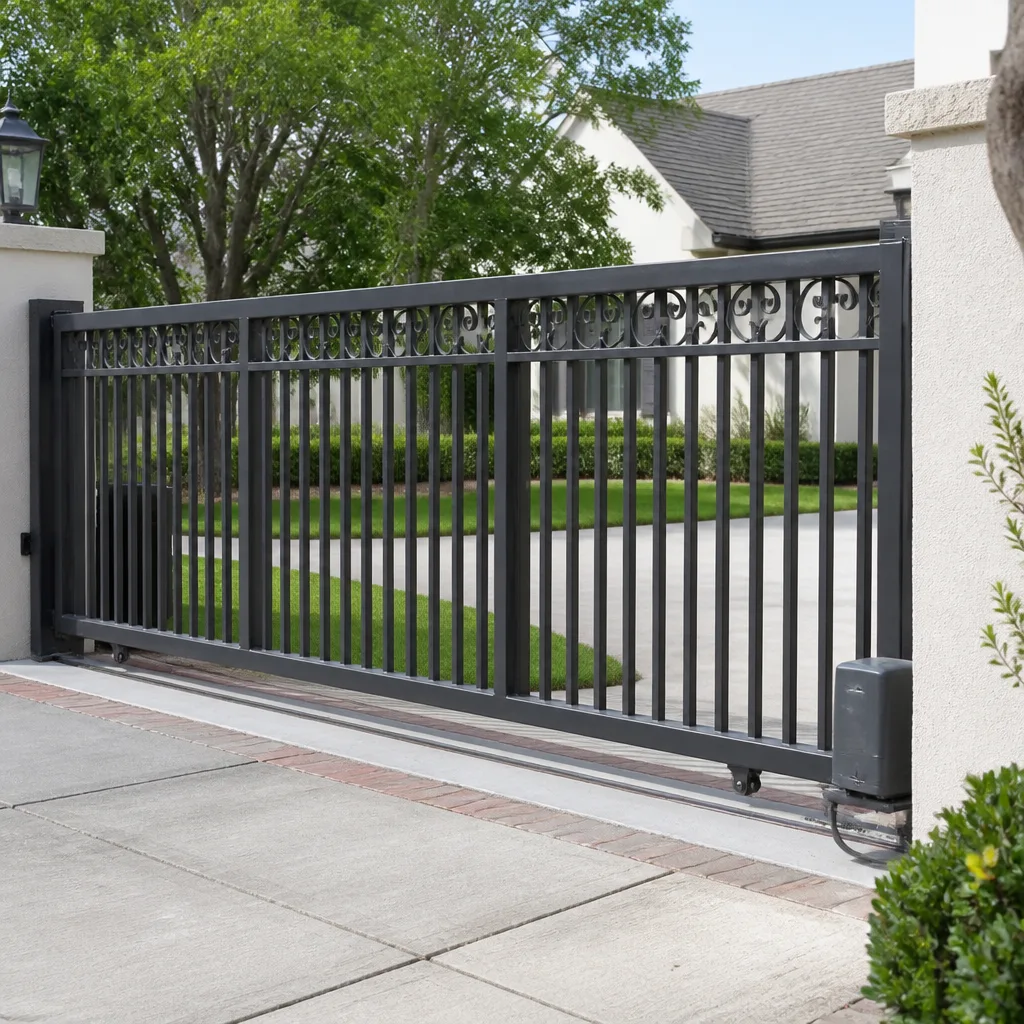 Sliding driveway gates
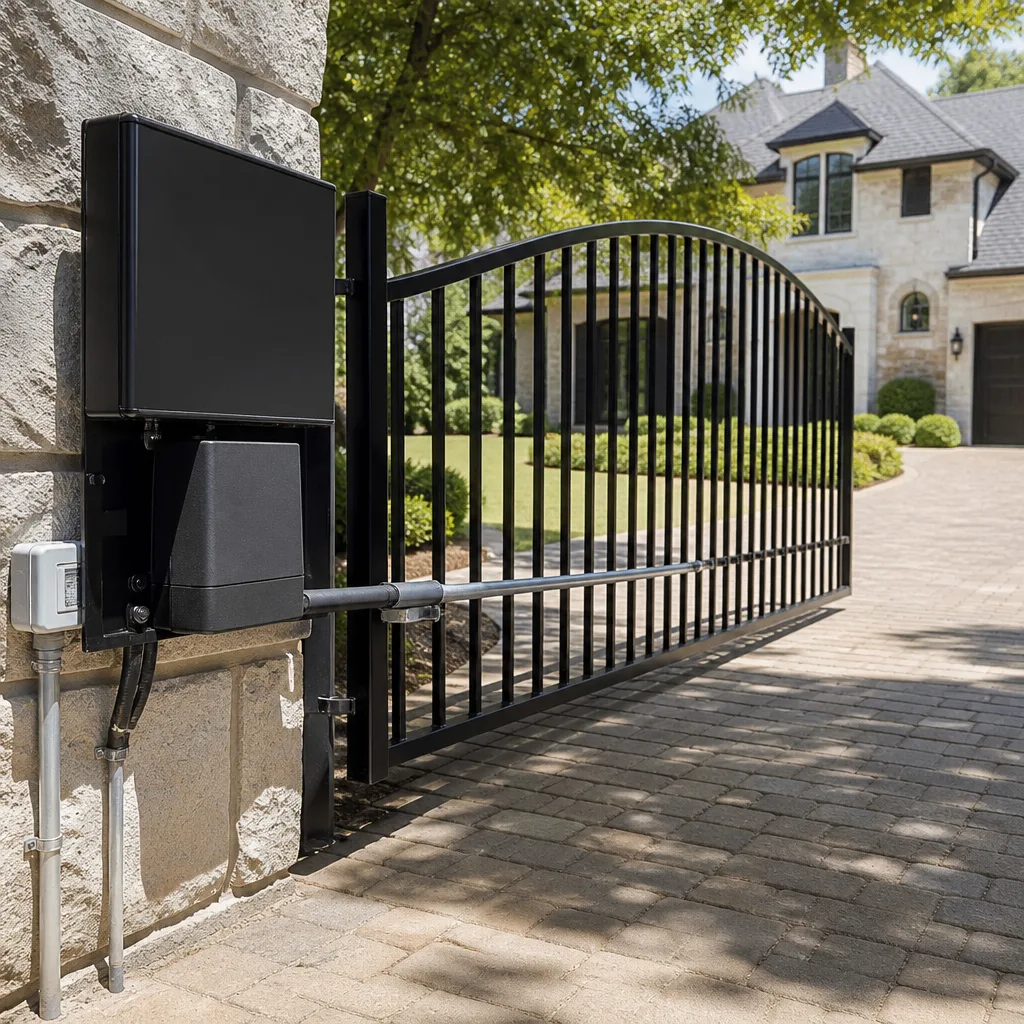 LiftMaster operators
Free on-site gate assessment - hinges, posts, and your LiftMaster or Nice gate operator checked before anything is quoted
The assessment is free and the quote is the invoice.
Get your free estimateGate Repair Warning Signs: A Perris Homeowner’s Reference Guide
A gate that’s about to drop a hinge rarely announces it loudly. In the week before failure, it usually just swings a half-inch lower than it used to, and most homeowners assume it’s always been that way. The real warning signs are quiet: a two-second hesitation before the motor engages, a click that happens once every twenty cycles, a post that has leaned so gradually nobody noticed. This guide trains you to catch those low-signal warnings before they become a gate lying on the driveway of your Perris home. We’ll walk through mechanical symptoms, electrical tells, brand-specific patterns, and a weekly check that takes less time than brewing coffee.
Quick Answer
The earliest warning signs of gate failure in Perris are subtle: a swing gate that hangs slightly lower than it used to, a slide gate that shudders mid-travel, a remote that works only on the second or third press, or an operator that reverses for no visible reason. Ignoring these small signals is how a $200 hinge repair becomes a $2,000 post-and-frame replacement. If your gate makes a new sound, moves differently, or responds inconsistently, that is the gate telling you something has changed. For a professional gate repair assessment, call (866) 569-6762.
Styles & brands we work with
- Wrought iron
- Wood & steel frame
- Farm & ranch
- Sliding driveway gates
- LiftMaster operators
Table of Contents
- The Seven Mechanical Warning Signs That Predict Failure Within 30 Days
- Cosmetic Wear vs. Structural Degradation: How to Tell the Difference
- Control-Side Warning Signs: Remotes, Obstacle Detection, and Limit Drift
- Brand-Specific Warning Signs: What Your Operator Is Telling You
- The 30-Second Weekly Check Any Homeowner Can Do Without Tools
- Why Perris Climate and Soil Make Gate Failure Patterns Different Here
- Common Mistakes to Avoid
- When to Call a Professional
- Frequently Asked Questions
The Seven Mechanical Warning Signs That Predict Failure Within 30 Days
Mechanical failures give warning. The trick is knowing what counts as a warning and what is just normal wear. After working on gates across Perris for 14 years, we’ve learned to rank these symptoms by how quickly they escalate. Here is what actually matters, in order of urgency.
- A swing gate that hangs lower on the latch side. Even a half-inch drop means a hinge pin is wearing or a post has shifted. The gate still latches, so you ignore it. That half-inch puts load on the latch, the hinges, and the post in a way the original design never anticipated. Left alone, the hinge tears out of the post. Repair window: two to four weeks before it becomes structural.
- New sounds during operation. A gate should sound the same every cycle. A new creak, a rhythmic scrape, or a sharp pop at the same point in travel is metal contacting metal where it shouldn’t. The scrape might be a sagging gate dragging on concrete, which is also telling you a hinge or post issue is developing. Repair window: this is the warning itself. Do not wait.
- Shuddering or jerking mid-travel on a slide gate. Slide gates run on a track or a cantilever system. Jerky movement means the rollers are binding, the track is misaligned, or debris has accumulated. The motor pushes harder to compensate, which accelerates wear on the drive mechanism. Repair window: one to three weeks before the gate binds completely or the motor overheats.
- A gate that stops midway and needs a push or a second command to finish. Something is creating resistance the motor was not designed to overcome. That could be a wheel dragging, a hinge binding, or an internal gear wearing. The motor is working too hard, and motors that work too hard fail early. Repair window: variable, but every forced cycle moves you closer to a dead operator.
- Visible gaps or cracks around welds. A hairline crack in a weld has already started failing. It will not heal. Heat, daily cycling, and vibration will propagate it until the joint separates. This is most common on ornamental steel gates in Perris, where dry heat and daily temperature swings put repeated stress on rigid joints. Repair window: days to weeks, depending on the weld’s location and load.
- A post that has moved or cracked. Posts are the foundation of the entire system. A leaning post shifts the hinge geometry, which loads the entire gate frame incorrectly. A cracked post, especially a metal post filled with concrete, has begun a structural failure. The gate may still open and close, but the failure mode won’t be gentle. Repair window: urgent. Secure the gate off its track while you get it assessed.
- A latch that has become stiff or loose. Latches wear. When they wear enough, the wind works against them, and wind in Perris is a real force. A gate that unlatches on its own swings into its own operator, slams into the stop, or hits whatever is parked nearby. Repair window: a stiff latch becomes a broken latch without much warning at all.
These seven symptoms are the ones we look for first on a gate repair call in Perris. Most are visible to a homeowner who knows what to look for. The next section tells you which visible changes matter and which ones you can safely ignore.
Cosmetic Wear vs. Structural Degradation: How to Tell the Difference
Not every blemish means your gate is failing. Surface rust, faded powder coating, and small scratches are cosmetic. They affect appearance, not function. But some things that look cosmetic are structural in disguise, and telling them apart is the single most useful skill a gate owner can develop.
Surface rust. If the rust is a thin orange film that wipes off and leaves solid metal underneath, it is cosmetic. Treat it, repaint it, move on. But if the rust flakes away in layers, if tapping it with a key produces a dull thud instead of a bright ring, or if you can see pinholes of light through the metal, the section is losing material. That is structural. On steel gates in Perris, hidden rust often develops inside the bottom rail where water collects during rare rain and irrigation overspray keeps things damp. Tap along the bottom rail. A hollow sound is normal. A crumble is not.
Weld appearance. A weld that looks rough or irregular was probably never pretty, and that is fine. A weld that has a visible crack through the bead, a gap at the edge, or a dark line running along the joint is failing. Hairline cracks in paint around a weld are worth investigating: paint does not crack in a pattern like that unless the underlying metal has moved.
Post condition at the base. Most posts fail at ground level, exactly where moisture, soil movement, and mower impacts concentrate. Look for discoloration, flaking, or a visible gap between the post and surrounding concrete. A quarter-inch gap that was not there six months ago means the post has moved. If the concrete around the post has crumbled, water has been getting in, and the footing may be compromised. In Perris, soil with high clay content expands and contracts with moisture, which works posts loose over time even without freezing.
Frame racking. Stand back and look at the gate as a rectangle. The top and bottom rails should be parallel to the ground, and the vertical pickets should be parallel to each other. If the gate looks like a slight parallelogram, if one corner sags while the rest looks square, the frame has racked. A racked frame means a hinge or post issue, not just an aesthetic problem. The gate will continue to distort under its own weight until something gives.
The practical rule in Perris: if you can see the problem from ten feet away, it is worth a professional look. If you have to squint at it, it can usually wait. But when in doubt, a free estimate from a gate specialist costs you nothing and settles the question.
Control-Side Warning Signs: Remotes, Obstacle Detection, and Limit Drift
Electric gate operators have their own failure vocabulary, and most of it is invisible to the eye. The control board, limit switches, obstruction sensors, and remote receivers all talk to each other constantly. When one component starts to fail, the symptoms show up as behavior changes, not physical damage. Here is what those behaviors mean.
Remote works only on the second or third press. This is almost never the remote battery. A weak battery produces weak signal strength consistently; it doesn’t produce intermittent failure. What intermittent remote response usually means is the receiver is degrading, the antenna is damaged, or interference is new. Something changed in the environment: a nearby transmitter on a similar frequency, a new solar installation, a neighbor’s gate system. It can also point to a failing relay on the control board, which is a repair we make regularly on systems in Perris.
False obstacle detection. The gate starts to close, stops, reverses, and opens again, with nothing in the path. Something is triggering the safety input. That could be a photo eye out of alignment, a failing safety edge sensor, a loop detector picking up signal noise, or a control board interpreting noise as an obstruction signal. Each of these points to a different component, and resetting the gate does not fix any of them. The system is telling you a safety input is compromised, which matters because a safety system that false-triggers today may fail to trigger tomorrow, when something actually is in the path.
Limit drift. The gate used to stop exactly at the close position. Now it stops an inch short, or it bangs into the stop, or it opens a few degrees too far. Limit switches and limit sensing wear. Mechanical switches develop play. Magnetic sensors drift. On operators from LiftMaster and DoorKing, which are common in the Perris market, limit drift often appears first as a gate that won’t close fully, then as a gate that closes too hard into the stop, then as a motor that keeps pushing after the gate has nowhere to go. That final stage is what burns out motors and strips gears.
The operator hums but doesn’t move the gate. That hum is the motor trying to run. It can’t. The cause is usually a failed capacitor, a stripped gear, or a seized drive mechanism. This is a classic end-stage symptom on gates that have been straining for weeks. The good news is that on most residential operators, including Mighty Mule and Ghost Controls units, the motor and drive components are repairable or replaceable without replacing the whole operator.
We diagnose by brand, not by guesswork. A LiftMaster symptom and a BFT symptom may look identical to a homeowner, but the component they point to is often completely different. That brand-level knowledge is what electric gate repair specialists bring to a diagnostic visit.
Brand-Specific Warning Signs: What Your Operator Is Telling You
Not all gate operators fail the same way. Some brands give you very early warnings. Others fail quickly once a symptom appears. Understanding the failure fingerprint of your operator can help you triage how urgently to act.
DoorKing. These are commercial-grade swing and slide operators built for high cycle counts, and they are common on larger residential properties and small commercial lots in the Perris area. The early warning on a DoorKing is usually a soft clicking at the start of a cycle, before the motor engages. Homeowners mistake it for a relay sound and ignore it. That click can be a centrifugal switch or start capacitor telling you it needs attention. Another tell: the gate pauses a half-second longer at the start of travel than it used to. By the time a DoorKing fails outright, it may have been signaling for weeks.
Elite. Elite operators are known for their DC-powered swing and slide units, many installed on gated residential communities. The pattern we see most on Elites is slowing travel speed over time without any visible obstruction. The owner adjusts the speed setting or installs a new battery, and the speed still degrades. That points to motor brush wear or drive train friction. Because DC motors use brushes, brush wear is normal, and catching it before the brushes are dead is much cheaper than waiting for the damage a fully worn brush set can do to the commutator.
Mighty Mule. The most common residential DIY-installed operator in the country, and certainly in Perris. The failure pattern on a Mighty Mule is frequently the remote works inconsistently and the gate reverses for no visible reason, both at once. That combination often means the control board has taken a power surge or a lightning-near-miss, which happens in Perris during thunderstorm season. The board does not usually die all at once; it gets flaky first. If your Mighty Mule acts weird in two different ways at once, the board is your likely culprit.
LiftMaster. A major player in both residential and commercial gate operators. LiftMaster failures often show up as limit drift first, which we covered above. But there’s another one we see on LiftMaster slide operators specifically: the gate closes fully, then bounces back open a few inches. That is the close limit being overshot and the reversing mechanism catching it. The operator is not broken. It is warning you that the limit setting is no longer accurate, and continued cycling in that state will damage the motor and the rack. Addressing a limit issue on a LiftMaster is a straightforward repair. Ignoring it isn’t.
If you own one of these brands and recognize the symptom, you already know more than most gate owners do. If you own a different brand and see odd behavior, the principle is the same: behavior changes are diagnostic information. We work on nine major gate brands, so we’re just as comfortable troubleshooting a FAAC as a BFT or a Viking. Gate specialists, not generalists.
The 30-Second Weekly Check Any Homeowner Can Do Without Tools
You don’t need a multimeter or a torque wrench to catch most gate failures early. You need a weekly habit that takes 30 seconds and trains your eye to notice change. Here is the exact routine we recommend to Perris homeowners, and it requires nothing but your presence and attention.
- Watch one full open-and-close cycle. Do not look at your phone. Watch the gate. Does it move smoothly? Does it hesitate at the start? Does it change speed anywhere? Does it stop cleanly, or does it bounce? Smooth is normal. Everything else is information.
- Listen to that same cycle. Close your eyes for ten seconds of it. You know what your gate sounds like. A new sound, even a faint one, is the earliest warning most gates ever give. Do it at the same time of day, when ambient noise is consistent.
- Look at the gate line. Stand ten feet back, square to the gate, and look at the top rail and the bottom rail. Are they parallel to the ground? Does one corner hang lower? A gate that has dropped even a quarter-inch has started to change geometry.
- Tap the bottom rail. Use a key, a coin, or your knuckle. Listen. A bright metallic ring means solid metal. A dull thud means rust or debris inside. On steel gates, the bottom rail is where Perris humidity, irrigation overspray, and occasional rain collect. This is the cheapest early-detection test there is.
- Test one open command from your remote. Not the one you carry every day. Test the spare remote that sits in your kitchen drawer. If the spare works on the first press but your daily remote needs two, your daily remote is the problem. If both struggle, the receiver or board is the problem.
- Glance at the posts. Look at the base of each post where it meets the concrete or soil. Any new cracking in the concrete, any flaking metal, any visible gap that wasn’t there before. Post movement is slow right up until the moment it becomes urgent.
That is it. Six steps. Thirty seconds. The point isn’t to find something wrong every week. The point is to build a mental baseline so that when something does change, you notice it immediately. Homeowners who do this catch failing hinges, drifting limits, and dying boards weeks before homeowners who don’t.
If your weekly check turns up something you don’t like, you don’t have to decide what it means. That is what a Perris specialist is for.
Why Perris Climate and Soil Make Gate Failure Patterns Different Here
Gates fail everywhere, but they fail differently depending on where you live. In Perris, three local factors shape how and when gate problems appear, and none of them have anything to do with freezing.
Dry heat and daily temperature swings. Perris sees significant temperature differences between daytime highs and overnight lows, especially in summer. That daily expansion and contraction cycle puts mechanical stress on metal gates, welds, and concrete footings. It is not dramatic, but it is relentless. A hairline crack in a weld gets worked every single day, and metal fatigue accumulates even though nothing violent ever happens. Weld failures on steel gates in the Perris area are more often the result of a hundred thousand small thermal cycles than any single impact.
Wind. The Perris area gets real wind, and wind loads a gate in ways its design assumes. A gate is essentially a sail when it is closed. Hold it rigidly against a strong wind, and the force travels through the frame into the hinges and the posts. A well-built gate handles this fine. A gate with a slightly loose hinge or a post that has begun to work loose gets worked harder by every wind event. The same wind that makes a loose latch noticeable also accelerates the damage that a loose latch causes.
Soil conditions. Much of Perris sits on soil with significant clay content. Clay soil swells when wet and shrinks when dry, and in a climate with wet winters and bone-dry summers, that swelling and shrinking is a yearly cycle. Gate posts set in concrete footings are surrounded by soil that moves more than people expect. Over years, that movement can subtly shift posts, which changes gate geometry, which loads hinges and latches incorrectly. It is not dramatic enough to see week to week, which is exactly why an annual or semi-annual professional look at your gate makes sense. Catching the second or third year of post movement is a small repair. Catching the eighth year is a footing replacement.
Understanding these local factors doesn’t change what you watch for. It changes how seriously you take the small things you find. In Perris, a gate that is a little out of level is unlikely to settle back on its own. It is more likely to keep moving in the direction it has already started going.
Common Mistakes to Avoid
- Lubricating a gate that has a structural problem. A noisy gate gets sprayed with WD-40, and the noise stops for a few days. The sagging hinge, binding roller, or worn gear is still there, now operating quietly while the damage compounds. If a gate needs constant lubing to stay quiet, it does not need lube. It needs repair.
- Adjusting the close force on an operator to “fix” a gate that’s binding. The gate is difficult to close, so the owner cranks up the force setting. That works for a while, then the motor overheats or the gear strips. Force settings exist for safety and for electric operator compatibility, not for overcoming mechanical resistance. If the motor is working hard, something is wrong mechanically or electrically.
- Ignoring a remote problem because the keypad still works. A failing remote receiver is the earliest sign of control board degradation on many systems. The keypad bypasses the receiver entirely, so the gate seems fine. By the time the keypad stops working too, the board has failed completely.
- Patching cosmetic rust over structural rust. Wire brushing and painting over metal that has lost significant thickness buys you maybe a year of appearance, while the section continues to weaken underneath the paint. If the rust has flaked away in layers, the repair is replacing or reinforcing the section, not painting over it.
- Assuming a warranty covers a failing part. Many gate components have warranties, but warranties do not stop failures from happening. A homeowner who waits for a part to fail completely because they assume it is covered often ends up with a larger repair than the one they would have had if they had fixed the problem early. Read the warranty, understand what it covers, and make the repair decision that protects the gate, not the parts invoice.
- Doing electrical troubleshooting on a live operator. Gate operators run on household current and often have exposed terminals, capacitors that hold a charge even when the unit is off, and moving parts that can start unexpectedly. Opening the control box and probing around is not the same as changing a light switch. We are trained to work on these systems safely. You do not need to be.
When to Call a Professional
Some gate problems are obvious emergencies: a gate that has come off its track, a post that has snapped, an operator that smokes or smells like burning plastic. If your gate has failed in a way that leaves it unsafe, unbalanced, or unable to secure the property, stop using it and call us. We answer 24/7, and we’ll get a technician to you with fast dispatch from 7am to 7pm, Sunday through Friday.
Most gate problems don’t announce themselves as emergencies. They show up as the quiet warning signs in this guide: a slightly drooping corner, a new sound, a remote that works on the third press, a post that has moved a half-inch. Those are the calls that save Perris homeowners the most money, because they get addressed before the gate fails completely. Gate Repair Perris offers free estimates in Perris, and the price is always quoted and agreed before any work starts. Call (866) 569-6762 or reach out through our site for gate repair that gets to the actual cause, not just the symptom.
Frequently Asked Questions
The most common first sign is a change in how the gate moves: a slight sag on a swing gate, a new hesitation at the start of travel, or a shudder on a slide gate. In Perris, these symptoms often appear together because post movement, hinge wear, and operator strain all feed into each other. If your gate looks or sounds different than it did a month ago, get it looked at. Call (866) 569-6762 for a free estimate from a gate specialist.
A gate that reverses with nothing in the path is telling you a safety input is misfiring. The cause is usually a misaligned photo eye, a failing safety edge sensor, or a control board interpreting signal noise as an obstruction. False reversals are not a harmless annoyance; they show that a safety circuit is compromised. If the system false-triggers now, it may fail to trigger when it actually needs to.
Gate repair costs in Perris vary widely by the component and the system. A hinge or wheel adjustment is a minor repair, while a control board replacement or a footing rebuild is a significant one. The best approach is a free estimate, where we diagnose the actual cause and give you a written price before any work begins. Call (866) 569-6762 and we’ll send a technician to assess your gate in Perris.
We answer 24/7, and we dispatch technicians from 7am to 7pm, Sunday through Friday, so same-day service in Perris is often possible depending on the current schedule and the nature of the repair. A gate that has come off its track or a post that has failed is priority work. Call (866) 569-6762 and tell us what the gate is doing. We’ll get you scheduled.
Most electric gate operator problems are repairable, and we repair before we replace. Motors, control boards, limit switches, capacitors, and gears can all be replaced individually on most systems we service, including DoorKing, Elite, Mighty Mule, and LiftMaster. We only recommend a full operator replacement when the repair cost approaches the replacement value or when the current operator no longer fits your property’s needs.
Yes. We work on the full range of gate systems, from a simple manual swing gate with a failing hinge to a fully automated slide gate with access control. Electric or manual, we diagnose by system. That range is what lets us find the real problem on a complex gate setup: we understand the mechanical side and the electrical side, and how they interact.
The Bottom Line
Your gate tells you when it is struggling. The majority of the time, it doesn’t announce the problem with a scream; it whispers: a new sound, a slight sag, a hesitation, a click, a reversal. Perris homeowners who learn to read those whispers catch small repairs before they become big ones, and they protect a gate that is also a major part of their property’s security and daily function. This guide gives you the framework to watch, listen, and act. When something seems off, call a specialist who diagnoses by brand and by system, not by guesswork. Gate Repair Perris serves the Perris area with free estimates, transparent written pricing, and a single-trade focus on gates. Call (866) 569-6762. We answer 24/7. Fast dispatch from 7am to 7pm, Sunday through Friday.
Written by the team at Gate Repair Perris, serving Perris since 2012.
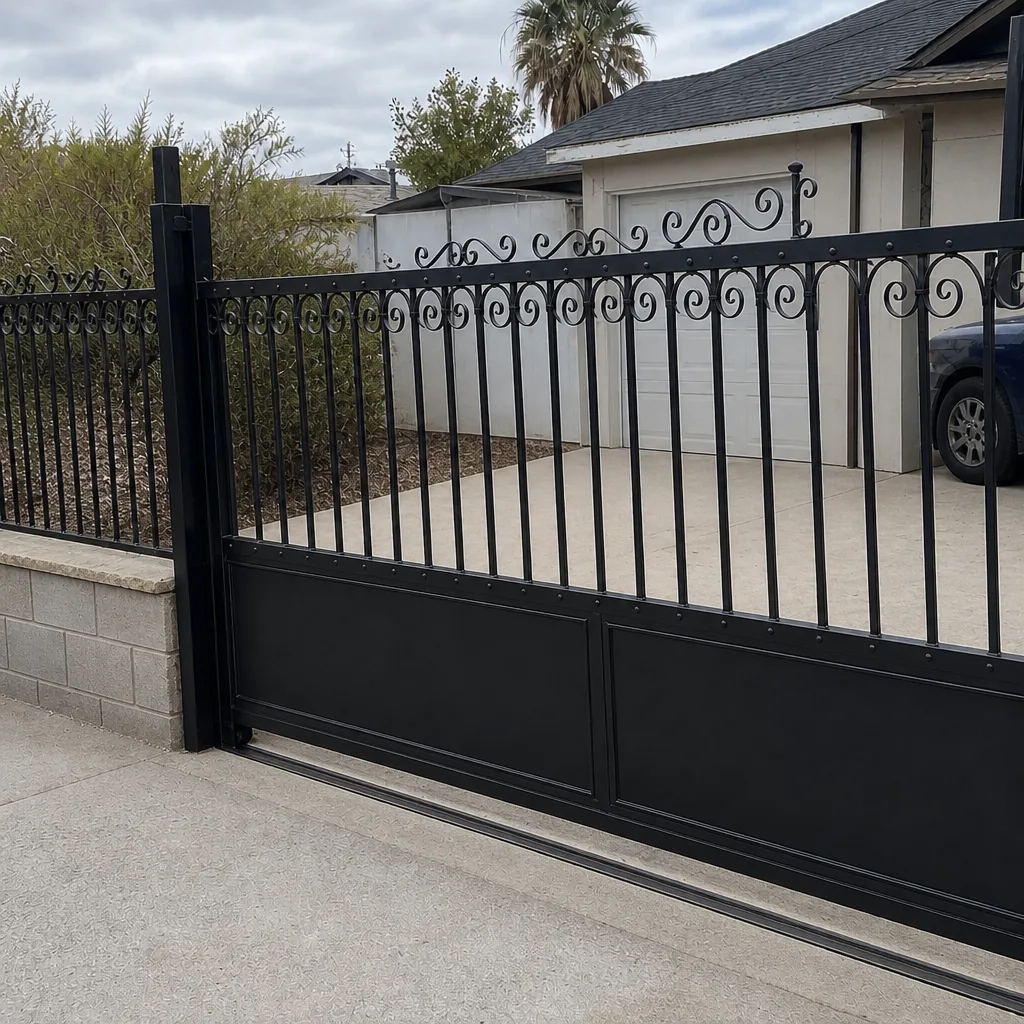
See the difference
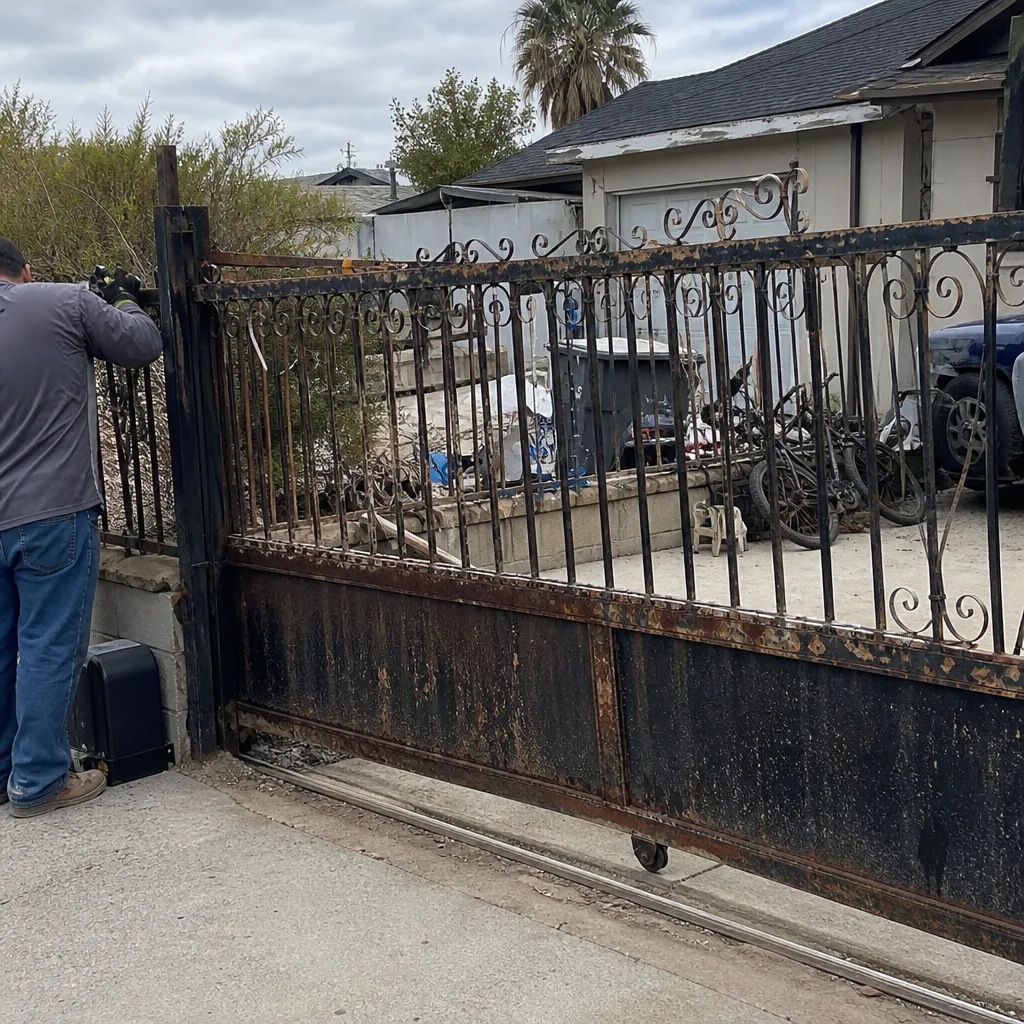 Before
 After
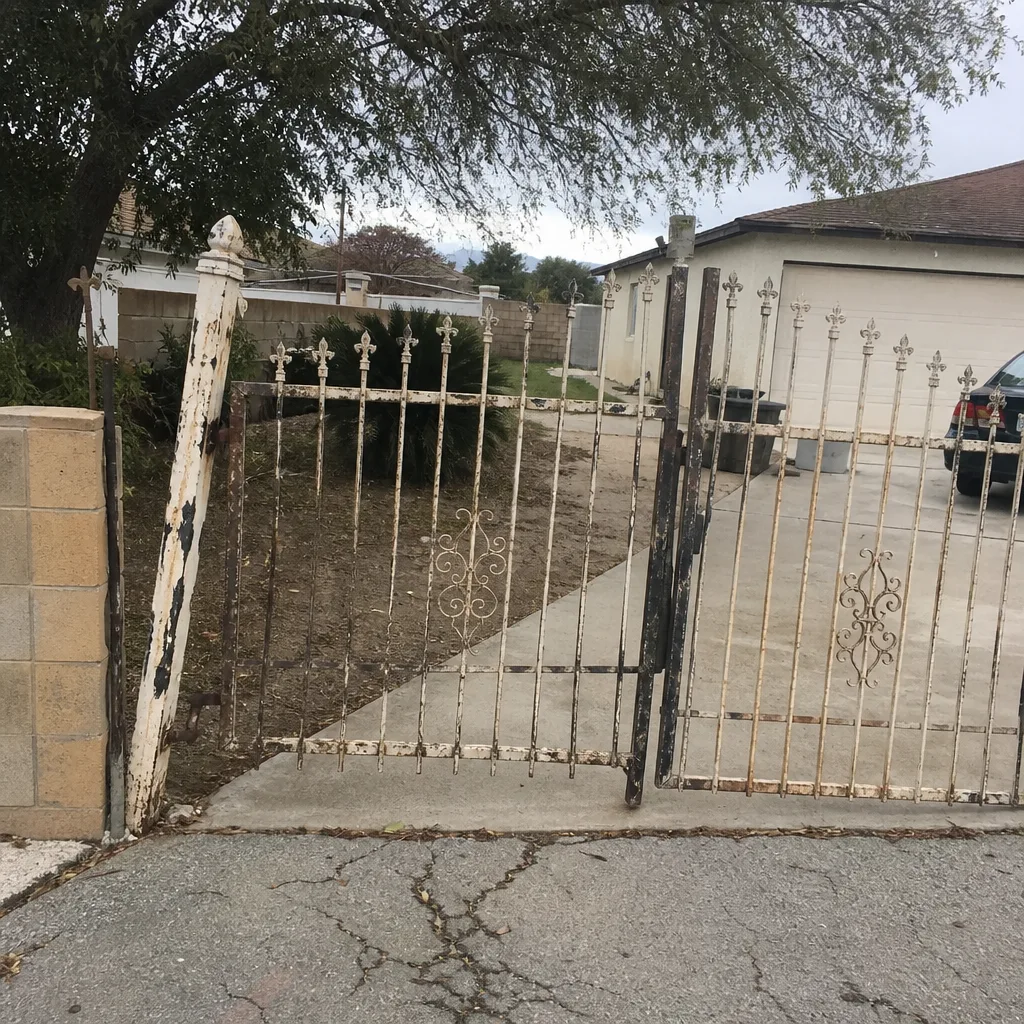 Before
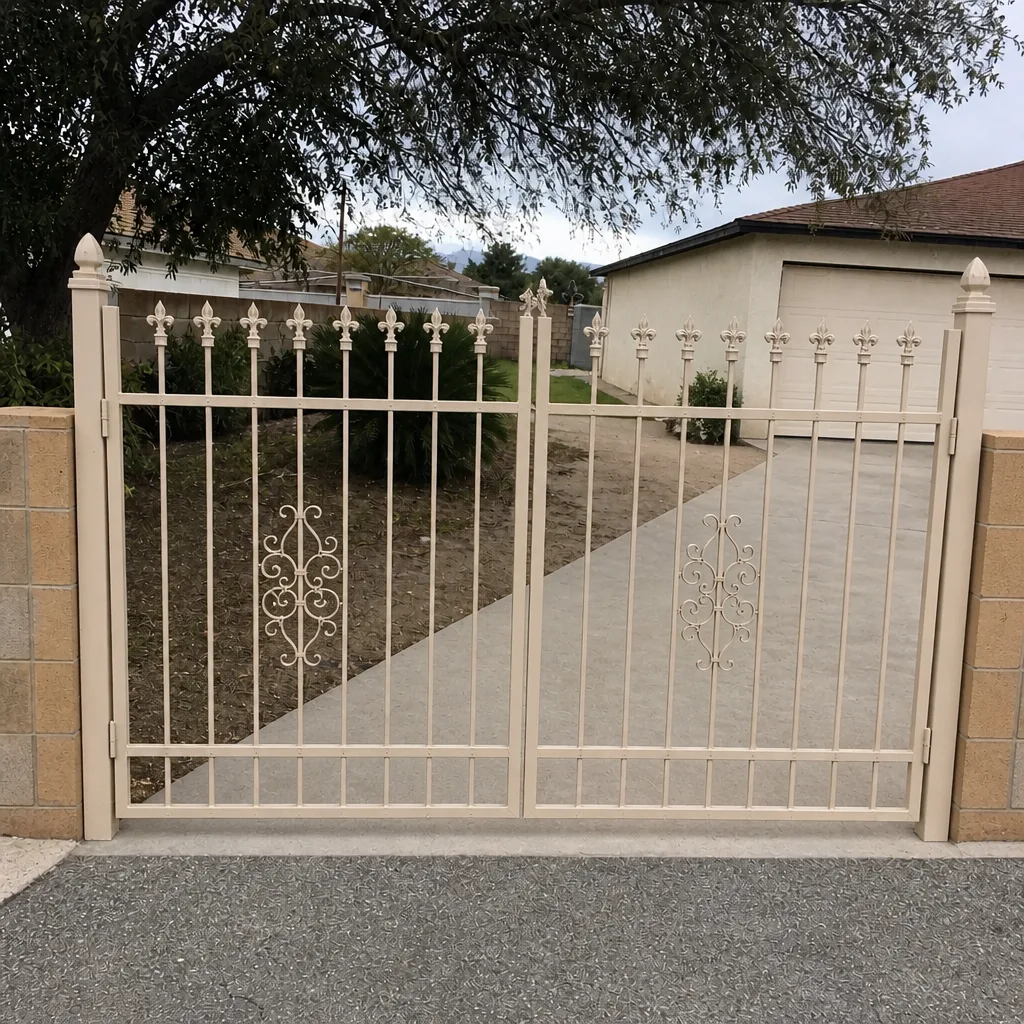 After
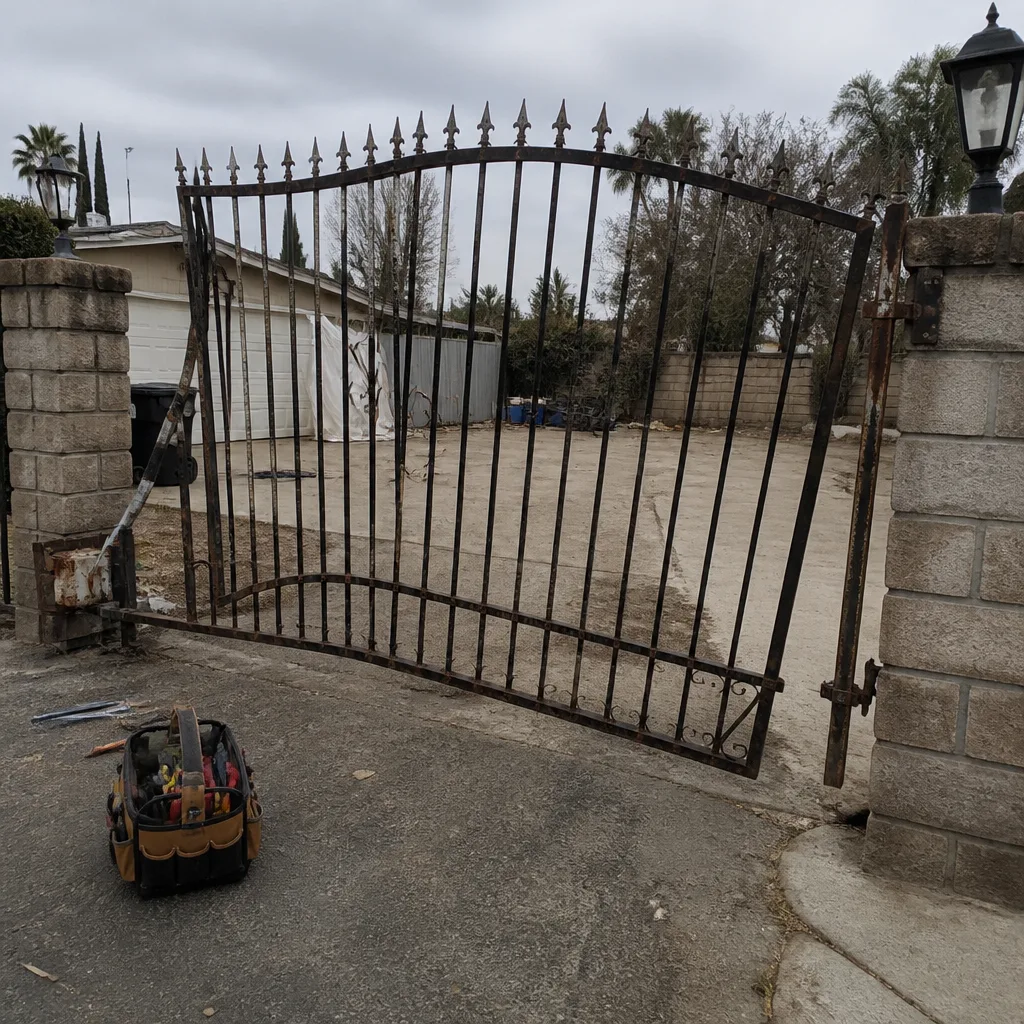 Before
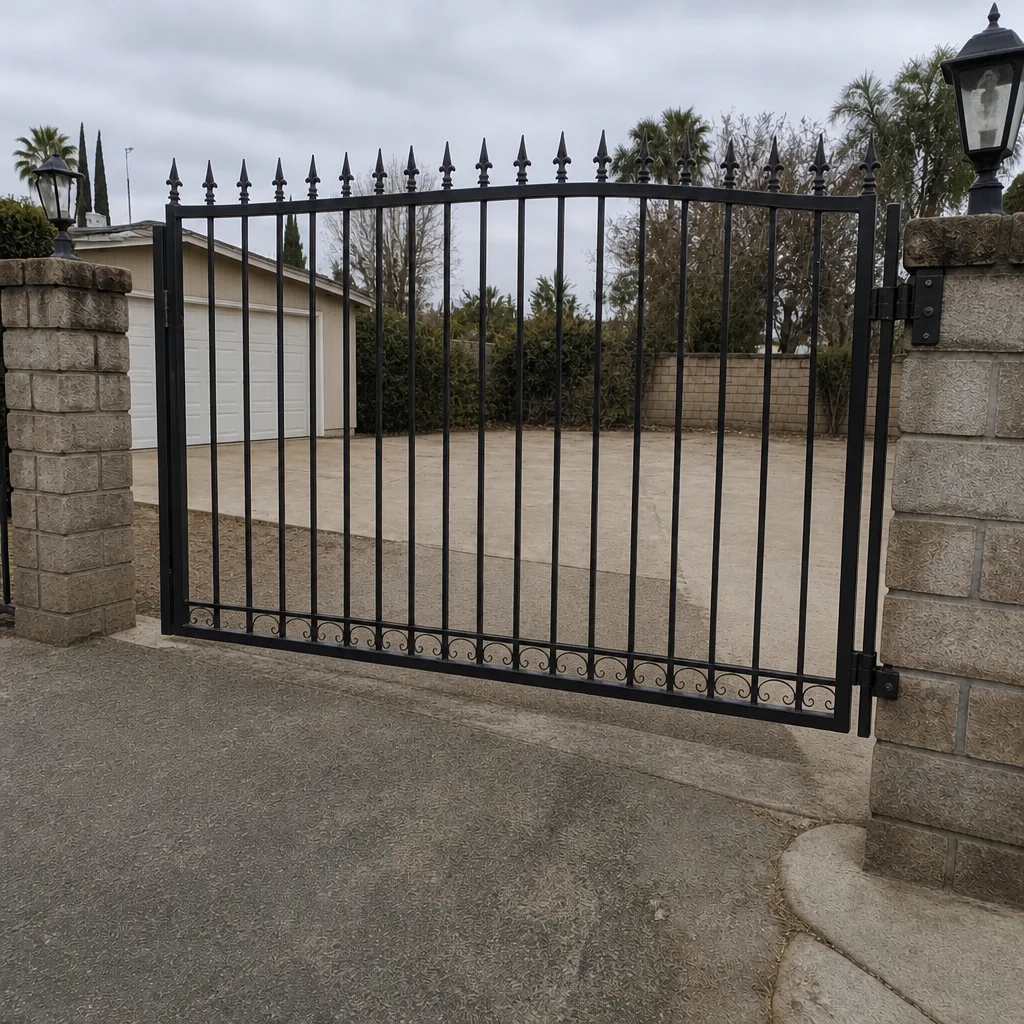 After