
Last updated November 4, 2026
 Wrought iron
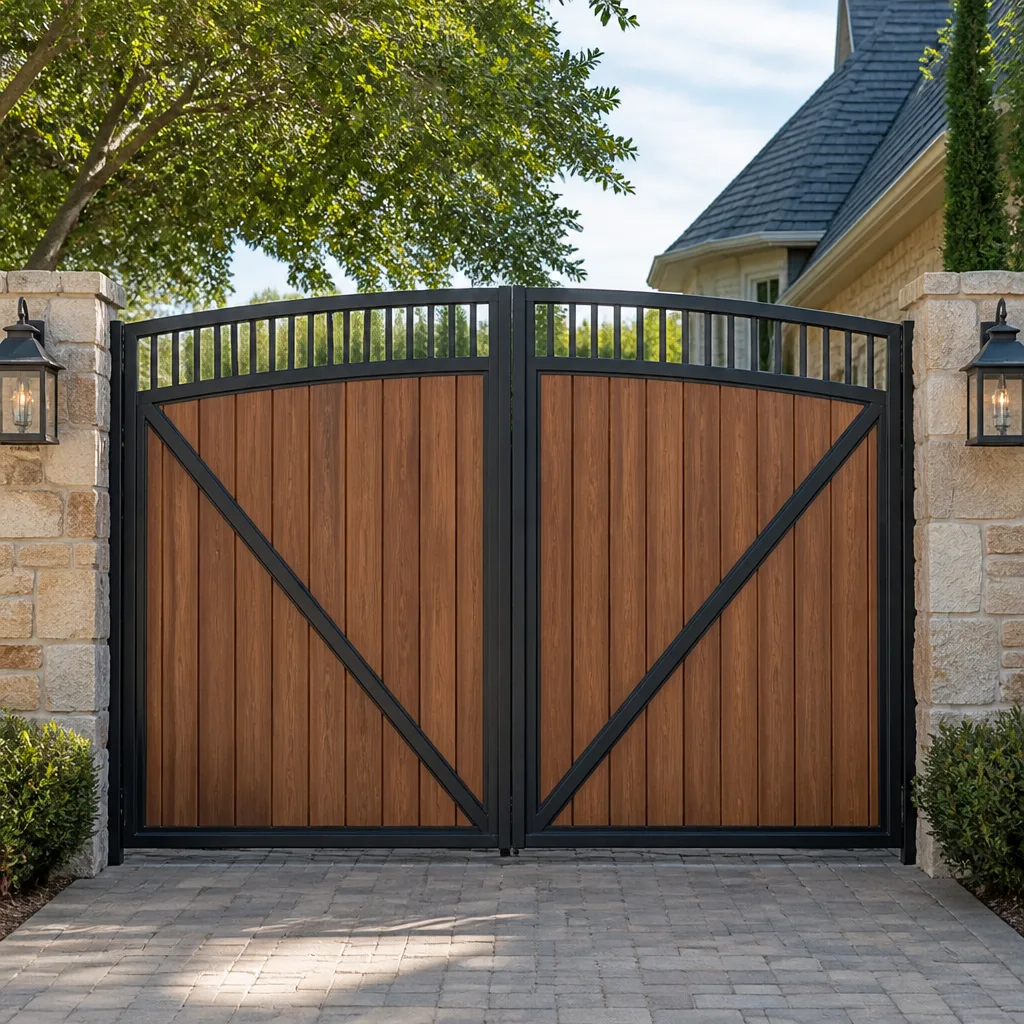 Wood & steel frame
 Farm & ranch
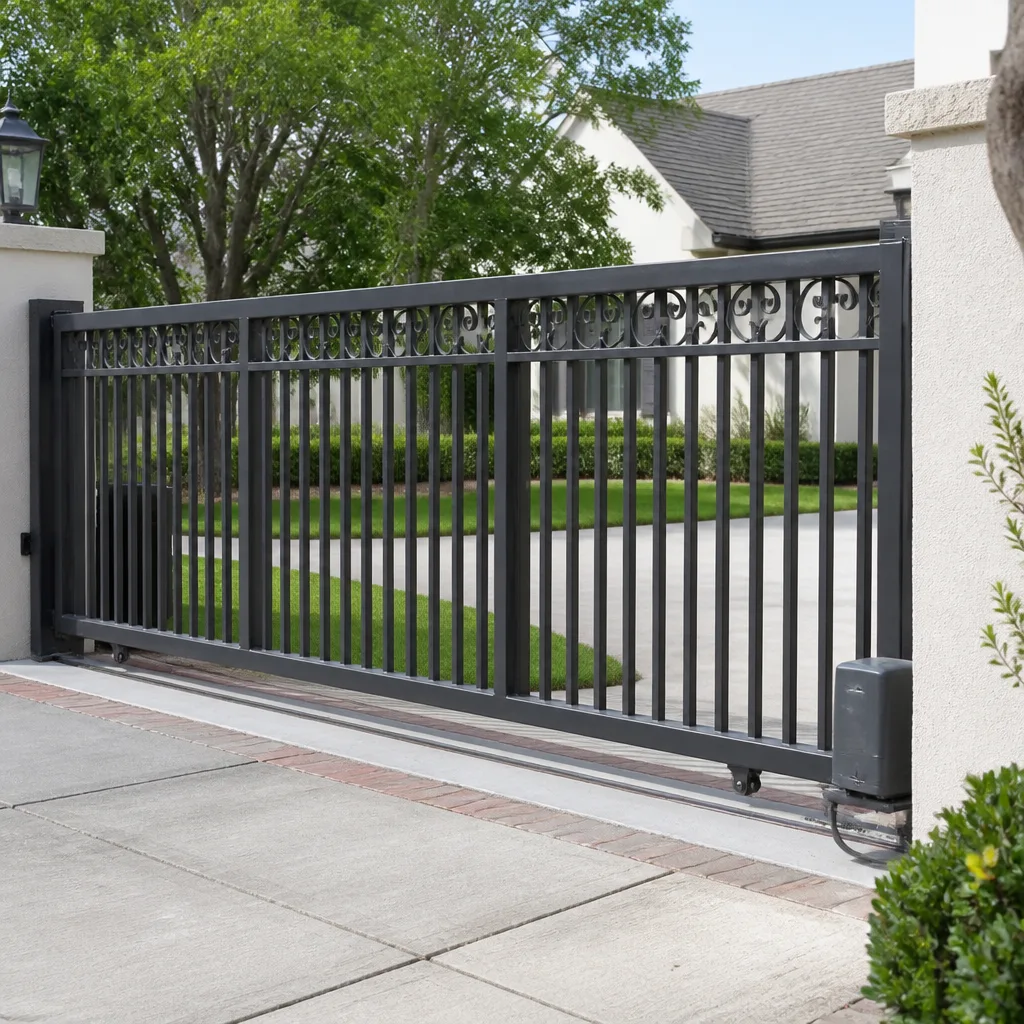 Sliding driveway gates
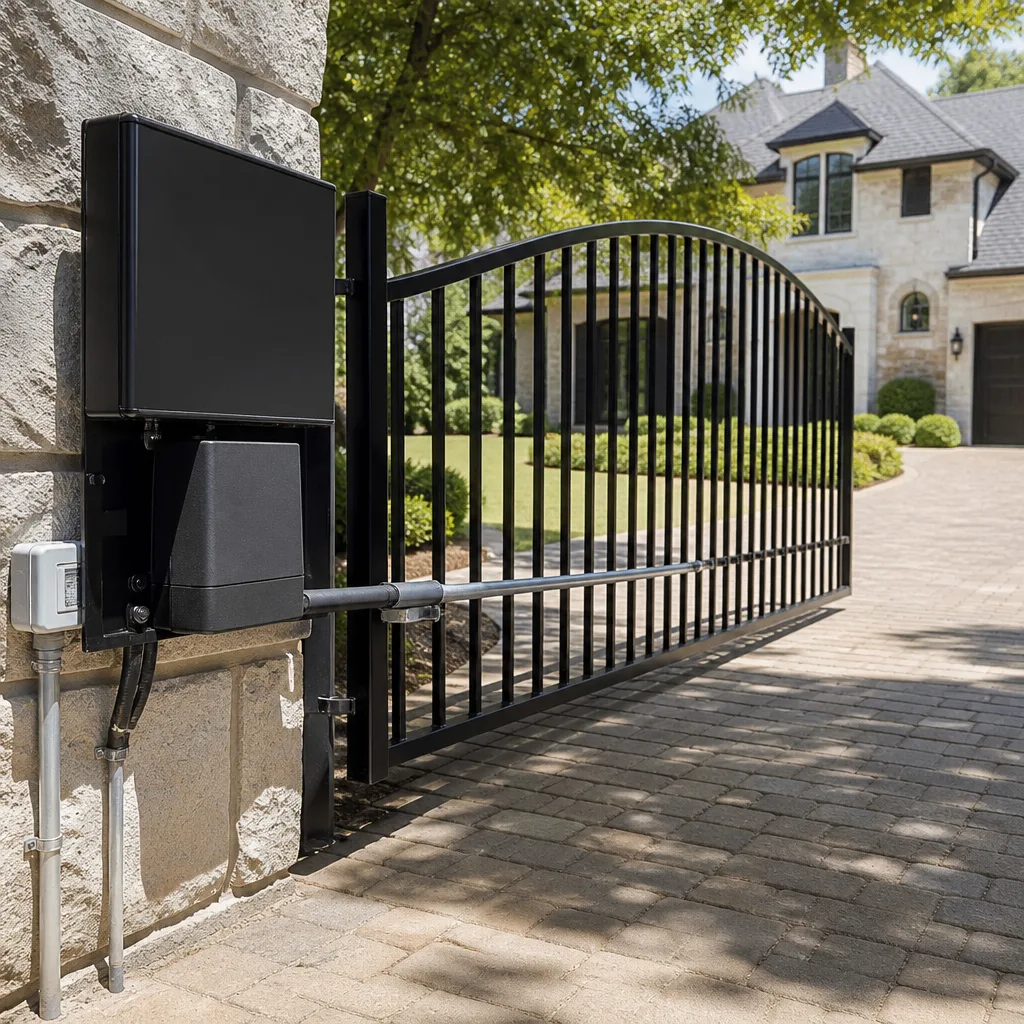 LiftMaster operators
Free on-site gate assessment - hinges, posts, and your LiftMaster or Nice gate operator checked before anything is quoted
The assessment is free and the quote is the invoice.
Get your free estimateDIY vs Professional Gate Repair: The Perris Homeowner’s Decision Guide
Here’s a truth most homeowners learn the hard way: the most dangerous DIY gate repair isn’t the one that breaks the gate. It’s the one that almost works. You swap a part, fiddle with a setting, get the gate moving again, and then it closes on a car, a kid, a delivery driver. The gate functions, but it no longer meets UL 325 entrapment standards, and that liability sits quietly on your property line until someone gets hurt. This guide draws the exact line between what a Perris homeowner can safely handle with basic tools and what belongs in the hands of a trained technician, because the line isn’t about how handy you are. It’s about what kind of system you have.
Quick Answer
Manual gate hardware like hinges, latch plates, wheels, and gate stops is DIY-accessible for most Perris homeowners, but automated gate systems cross into professional territory the moment electricity, control boards, or safety sensors are involved. The dividing line is UL 325 compliance: any repair that affects an automated gate’s entrapment protection, motor logic, or circuit wiring legally requires professional attention in California. When in doubt, assess three things: is there a motor, does it have a control board, and does the repair touch force settings or photo eyes? If yes to any, call a gate repair specialist before picking up a screwdriver.
Styles & brands we work with
- Wrought iron
- Wood & steel frame
- Farm & ranch
- Sliding driveway gates
- LiftMaster operators
Table of Contents
- How to Assess Your Gate in Three Questions
- Repairs That Are Genuinely Safe to DIY
- What Legally Requires a Professional in California
- The Hidden Costs of DIY Gate Repair
- Why Some Gate Brands Lock DIYers Out
- Electric Operator Repair: The Control Board Problem
- How Perris Weather Affects Gate Systems
- Common Mistakes to Avoid
- When to Call a Professional
How to Assess Your Gate in Three Questions
Before you touch anything, answer these three questions honestly. They determine whether you’re looking at a Saturday project or a professional repair, and getting this wrong is where most costly mistakes happen in Perris.
- Is there a motor attached to this gate? If the answer is no, if this is a purely manual swing or slide gate with no opener, no keypad, no intercom, then you’re in DIY territory for most hardware fixes. Manual gates are mechanical, and mechanical problems are visible, tactile, and usually fixable with standard hand tools.
- Is there a control board inside the operator housing? If yes, stop assessing and start calling. A control board means microprocessor logic, force settings stored in memory, and safety sensor inputs that must stay calibrated to UL 325 standards. Any repair that involves removing the operator cover exposes live capacitors even with power disconnected.
- Does the repair touch force settings, photo eyes, or wiring? Force settings are how hard the gate pushes before reversing. Photo eyes are the sensors that detect obstructions. Wiring is what connects them all. Touch any of these and you are now working on a system that can crush, pin, or electrocute. This is not a skill issue. It’s a safety compliance issue.
We’ve walked onto properties in Perris where a homeowner’s force adjustment seemed fine for a week, then a strong gust from the Santa Ana winds pushed the gate against a car door. The repair that would have cost a standard service call became bodywork and a legal conversation. Assess first, act second.
Repairs That Are Genuinely Safe to DIY
There is a real, defensible list of gate repairs the average Perris homeowner can handle without calling us. These are manual hardware items on gates that are not automated, or on automated gates where the operator itself is not being touched. Here’s what falls safely in your wheelhouse.
Lubricating Hinges and Rollers
Dry hinges squeak, bind, and put stress on the gate frame. A lithium-based grease or white lithium spray applied to hinge pivot points and slide gate rollers twice a year does more for gate longevity than almost anything else. This requires no disassembly, no electrical work, and no special tools. If the hinge is still noisy after lubrication, the bearing itself is worn and that’s when you call us.
Tightening Loose Hardware
Gate frames vibrate. Bollards shift. Temperature swings between Perris summer highs and winter lows expand and contract metal fasteners. Walking the gate perimeter with a socket set and tightening hinge bolts, latch screws, and track brackets is genuinely good homeowner maintenance. What you should not do is tighten a bent bracket back into alignment. Bent metal is fatigued metal, and forcing it straight weakens it further.
Adjusting a Manual Gate Latch
If the gate doesn’t close cleanly or the latch won’t engage, the fix is often a simple alignment adjustment. Loosen the latch plate bolts, reposition the plate, retighten. This is basic, safe, and usually solves the problem. If the gate frame itself is sagging, that’s a hinge or post issue and belongs in professional hands.
Clearing Debris from Slide Gate Tracks
Perris wind blows sand, gravel, leaves, and trash into slide gate tracks constantly. A gate that struggles to move or makes grinding noises often just has debris packed into the track channel. Sweeping the track, clearing the drain holes, and removing packed material is a safe DIY task that we recommend every month during dry season.
Replacing Wheels on a Manual Slide Gate
Slide gate wheels wear down, especially on longer driveways. If your manual slide gate wants to drag on one end, inspect the wheel under the gate. Replacement wheels are available at hardware or farm supply stores, and swapping them requires jacking the gate slightly and removing one bolt. This is DIY-accessible, but only for manual gates. Automated slide gates have additional load bearings and operator couplings you shouldn’t disturb.
We work on the brand you already own, but for manual hardware like hinges and wheels, the brand is largely irrelevant. A hinge is a hinge. It’s when you step into automated systems that brand-specific knowledge starts to matter. More on that below.
What Legally Requires a Professional in California
California adopted UL 325 as the governing standard for automated gate entrapment protection. This isn’t a suggestion and it isn’t a best practice. It’s a legal requirement that applies to every automated gate system, residential or commercial. A homeowner who modifies or repairs an automated gate in a way that disables or degrades entrapment protection carries liability for any resulting injury, and insurance policies have been known to deny claims when unlicensed work causes an incident.
Here are the specific automated gate components that legally require professional attention:
- Photo eyes and non-contact sensors: These must be mounted at specific heights, wired with correct polarity, and tested after installation. A misaligned photo eye that doesn’t “see” a child at the wrong angle is a tragedy waiting to happen.
- Force and sensitivity settings: The operator’s motor controller stores the amount of force the gate applies before reversing. UL 325 sets maximum allowable force levels. Adjusting these without a force gauge is illegal in California for any gate installation company and dangerous for any homeowner.
- Control board replacement: When a DoorKing or Linear board fails, the new board arrives blank. It must be programmed with the correct dwell time, close delay, auto-close logic, and accessory settings. A factory default setting can apply excessive force or skip safety checks.
- Capacitor and transformer work: Gate operators hold stored electrical charge even after power is disconnected. The capacitor inside a Viking or FAAC operator can deliver a serious shock. This is not the place to learn electrical safety.
- Loop detector installation: Ground loops that detect vehicles are buried in concrete or asphalt, and the detector module must be tuned to the loop’s exact inductance. Get the tuning wrong and the gate either won’t open for cars or opens for every passing motorcycle.
For electric gate repair in Perris, the conversation starts with safety compliance, not convenience. We’d rather tell you a repair is simple and let you handle it than see a system left unsafe. But when UL 325 components are involved, we won’t walk you through it over the phone. We’ll come out and do it right, because the alternative is a gate that works right up until it doesn’t.
The Hidden Costs of DIY Gate Repair
Homeowners consistently undercount four categories of cost when deciding whether to DIY a gate repair. Here’s what actually gets spent when a repair goes sideways.
Tool Rental and Purchase
A basic hinge swap needs a socket set you likely own. A slide gate operator repair can require a multimeter, a torque wrench, a capacitor discharge tool, and a bench power supply. Renting or buying these tools for a one-time repair often costs more than the service call would have, and that’s before you factor in the learning curve of using them correctly on a live system.
Parts Sourcing and Compatibility
The part number on your failed component is not always the part you need. Manufacturers revise boards, change connectors, and supersede part numbers without updating consumer-facing documentation. A homeowner who orders the “same” Ghost Controls board online often receives a version that doesn’t match their existing wiring harness. Now you’ve spent $180 on a paperweight and still have a dead gate. Gate specialists deal with this daily and know which revisions are compatible with which systems.
Time Spent Learning and Doing
The YouTube video shows a 20-minute repair. What it doesn’t show is the three hours of troubleshooting before the uploader figured it out, the two trips to the hardware store, and the fourth hour spent undoing a mistake made in minute two. Your time has value, and in Perris, a gate that’s down for three days is an invitation for anyone driving by to notice patterns.
Redoing It Professionally
This is the expensive one. We arrive after a homeowner has partially disassembled an operator, lost a set screw, stripped a connector, or wired a photo eye backwards. The repair now costs more than it would have originally, because we have to undo the partial work, verify nothing else was damaged, and then perform the original fix. Repair first, replace only when it makes sense. But when the repair is attempted and botched, the bill often grows.
The honest math for most automated gate repairs in Perris: by the time you buy tools, order parts, spend a weekend, and potentially call us anyway, the professional estimate was cheaper.
Why Some Gate Brands Lock DIYers Out
Not all gate operators share the same philosophy about user serviceability. The four brands we encounter most in Perris split into two camps: those designed for homeowner adjustment and those intentionally locked down.
Ghost Controls builds residential operators with homeowner adjustability in mind. Their force settings are accessible through a simple knob or digital display, the manual is written in plain language, and they sell replacement parts directly to consumers. A homeowner who reads carefully can adjust travel limits and force on a Ghost Controls unit without special equipment. We still recommend calling for control board issues, but basic adjustments are within reach.
Mighty Mule takes a similar approach. The brand positions itself for DIY installation, and that philosophy extends to adjustment. However, we’ve seen Mighty Mule systems in Perris where the homeowner adjusted the force setting to compensate for a failing hinge, masking the real problem while creating an entrapment risk. DIY-friendly adjustment is not the same as DIY-appropriate diagnosis.
DoorKing and Linear are different animals. DoorKing is commercial-grade equipment sold through professional channels. Their operators use proprietary programming sequences, lockable control cabinets, and settings that require access to dealer documentation. Linear operators, especially the commercial swing and slide models, are built for installers who know the system. There is no consumer-friendly faceplate telling you which button resets the auto-close timer. These systems are designed to keep untrained hands away from critical adjustments.
We work on the brand you already own, which means we diagnose a Viking swing gate differently than a Ghost Controls slide gate, because the manufacturers build them differently. A homeowner who assumes all gate operators adjust the same way is the homeowner who ends up with a gate that reverses at half travel or doesn’t reverse at all.
Electric Operator Repair: The Control Board Problem
When an automated gate in Perris stops responding, stops mid-travel, or cycles open and closed repeatedly, the control board is involved about sixty percent of the time. Here’s what the control board actually does, and why this repair is never truly DIY.
The control board is the operator’s brain. It receives inputs from the keypad, the remote receiver, the loop detector, the photo eyes, and the edge sensors. It decides when to start, how fast to move, when to slow down, and when to reverse. It stores every adjustment the installing technician made: travel limits, force ceilings, dwell time, close delay, and accessory behavior. The board is also the component most likely to be damaged by power surges, and Perris gets its share of brownouts and lightning during monsoon season.
What makes board replacement professional work isn’t the physical swap. Unplugging connectors and plugging in a new board takes ten minutes. What takes training is programming the new board correctly. A FAAC board has no DIP switch labeled “close the gate.” It has a menu tree that requires access to the installer manual, and each setting interacts with the others. Set the force too high and the gate can crush. Set the auto-close too short and the gate closes on a car still in the path. Set the photo eye input to normally-closed when the sensor is normally-open and the gate refuses to move at all.
We also encounter the inverse: boards that test fine but are receiving bad input from a failing sensor. A homeowner replaces a board, the gate still doesn’t work, and now they’ve spent money on a component that wasn’t the problem. A diagnostic technician traces the signal path before replacing anything. From a bent hinge to a failed control board, the fix starts with knowing exactly what failed and why.
If your gate has a control board, treat the “why did it fail” question as seriously as the “what do I replace” question. Power surges from lightning or utility work can take out a board. A burned motor can spike voltage back through the board. A short in the photo eye wiring can damage the board’s input circuit. Replace the board without fixing the underlying cause and you’ll be replacing it again in six months.
How Perris Weather Affects Gate Systems
Perris sits in the inland valleys of Riverside County, which means a specific set of environmental stresses that gates deal with year-round. This context matters when deciding whether to DIY or call, because some Perris gate problems look simple but are actually climate-driven.
Dry Heat and Electrical Components
Perris summers routinely exceed 100 degrees, and that heat does two things to automated gates. First, it accelerates capacitor aging inside operator housings. Second, it expands metal components, changing the geometry of swing gates and the tension on slide gate rollers. A gate that worked perfectly in February may bind in August, not because anything broke but because everything expanded. This is why a hinge adjustment in summer may need to be revisited in winter.
Wind, Dust, and Track Fouling
The Santa Ana winds that blow through Perris push fine dust into every exposed component. Slide gate tracks fill with grit. Control board connections oxidize. Keypads collect dust behind the buttons. Homeowners who keep their gate tracks clean and their operator housings sealed get dramatically longer service life. The DIY task of clearing tracks is perpetual, but the professional task of sealing and protecting wiring is periodic.
UV Damage to Plastic Components
Photo eye lenses, keypad faces, and remote housings all degrade under constant Southern California sun. A photo eye with a clouded lens may still function but with reduced range, which can cause the gate to fail to detect obstructions reliably. Replacing a sun-damaged photo eye is a plug-and-play repair for many systems, but the UL 325 alignment and performance test afterward is the part homeowners skip.
In our experience, Perris gates wear out differently than gates in coastal cities. No salt air here, but intense UV and wind-driven dust do their own damage. The good news is that mechanical gate repairs in Perris are straightforward because we don’t deal with freeze-thaw cracking. The bad news is that electrical components age faster in the heat, and that’s where the professional calls begin.
Common Mistakes to Avoid
- Adjusting force settings to fix a mechanical problem. If your gate is binding on a bad hinge, the answer is a new hinge, not a higher force setting. Crank up the force and you’ve created an entrapment hazard to avoid spending eighty dollars on hardware. We see this on Mighty Mule systems constantly.
- Ignoring a photo eye that “sometimes” trips. A photo eye that causes false reversals or intermittent stops is failing, and the failure mode tends to be progressive. What trips occasionally in March may fail completely by June, leaving the gate either refusing to close or closing on anything in the path.
- Replacing a battery without checking the charger. Automated gates with battery backup systems fail in two ways: the battery dies, or the charger stops charging and the battery dies as a result. Replace the battery without testing the charger and you’ll replace it again within a year.
- Welding or bending a cracked gate frame. Perris homeowners with basic welding skills sometimes attempt their own frame repairs. The result is often a repair that changes the gate’s weight or balance, which changes the operator’s load profile, which changes how the gate behaves at the limits of travel. A gate frame repair needs to account for the operator’s torque curve.
- Ordering parts before diagnosing the failure. The internet makes it easy to order a “replacement board for Linear operator” before you know whether the board, the transformer, or the wiring is the actual problem. Diagnostics first, parts second. This is the single biggest money-saver in gate repair.
- Leaving a broken automated gate in manual mode indefinitely. Many operators have a manual release. If you release the gate and leave it swinging freely, you now have a heavy gate with no controlled movement, no force limiting, and no entrapment protection. A manual gate is safe, but a released automatic gate is not the same thing.
When to Call a Professional
Call us when the gate has a motor, a control board, or UL 325 safety equipment. Call us when the gate won’t stay open, won’t stay closed, reverses unexpectedly, or makes a grinding sound that wasn’t there last month. Call us when the keypad stops accepting codes, the remote stops working, or the gate opens fine but refuses to close without holding the button down the whole way. Call us when the gate sags, drags, or binds and you’re not sure whether it’s a hinge or a post problem. Gate Repair Perris offers free estimates in Perris. Call (866) 569-6762 and describe what the gate is doing. We’ll tell you whether it’s a DIY candidate or a service call. We answer 24/7. Fast dispatch from 7am to 7pm, Sunday through Friday.
See the difference
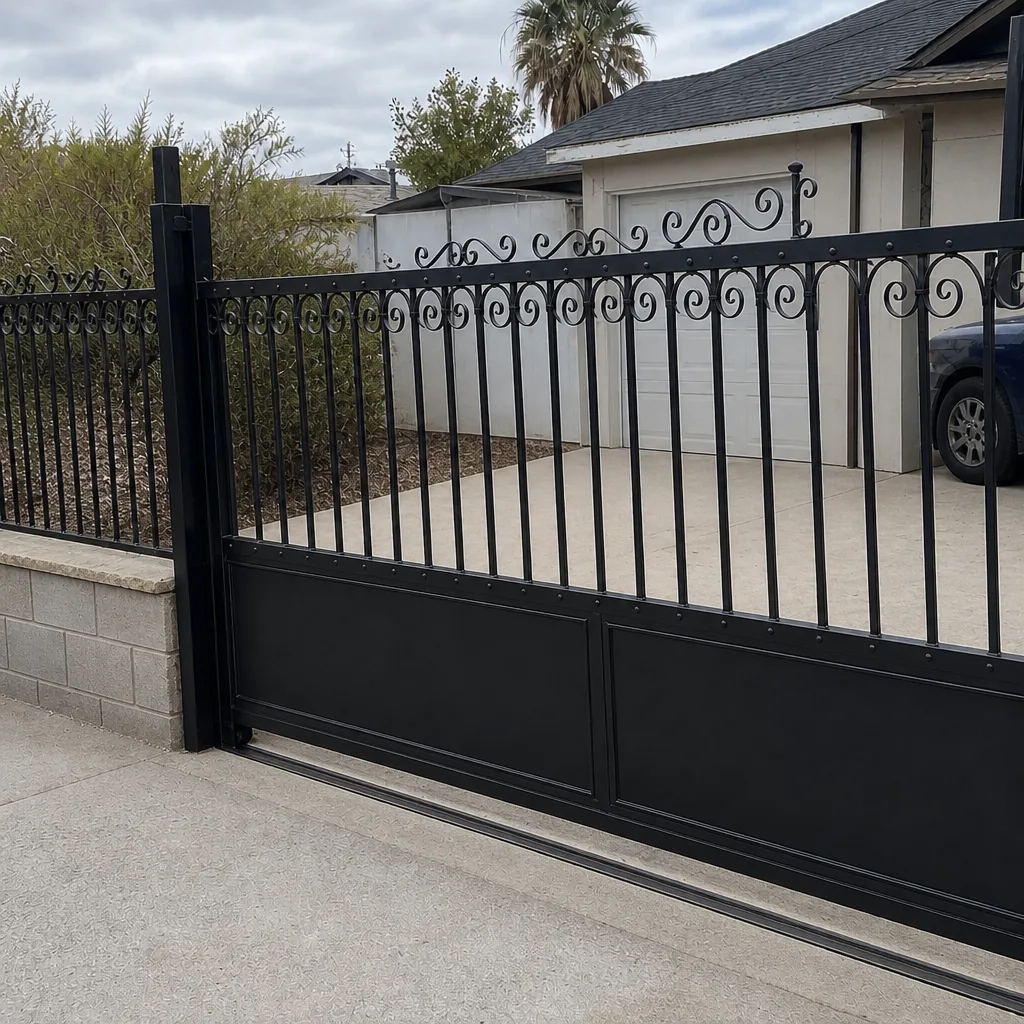
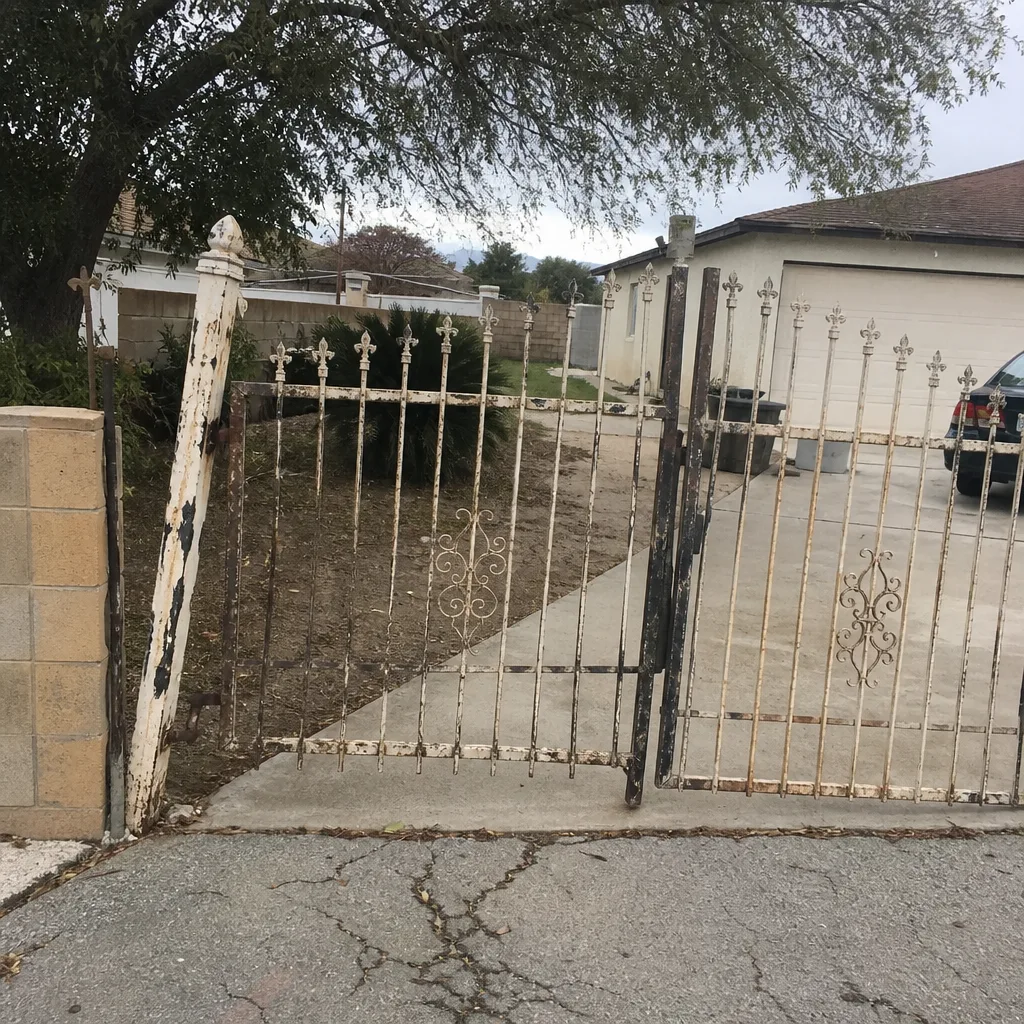
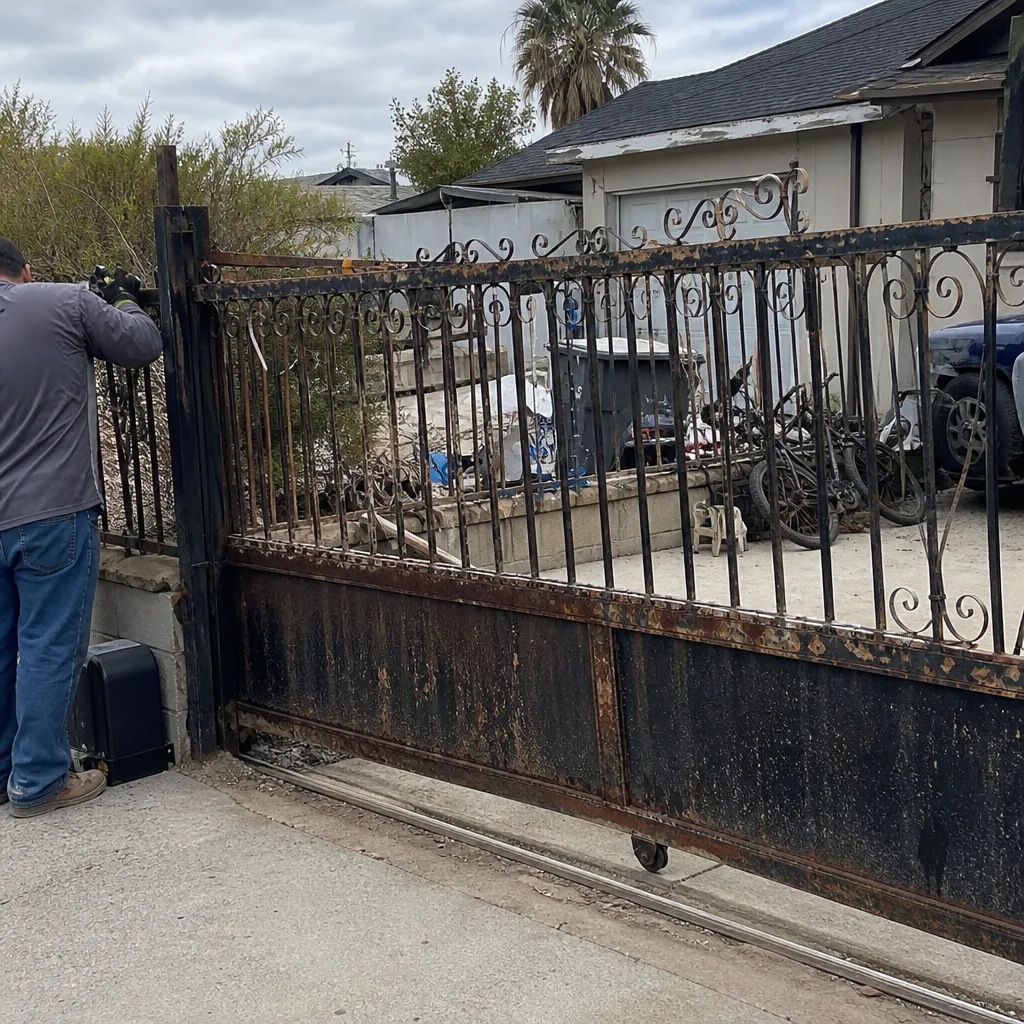 Before
 After
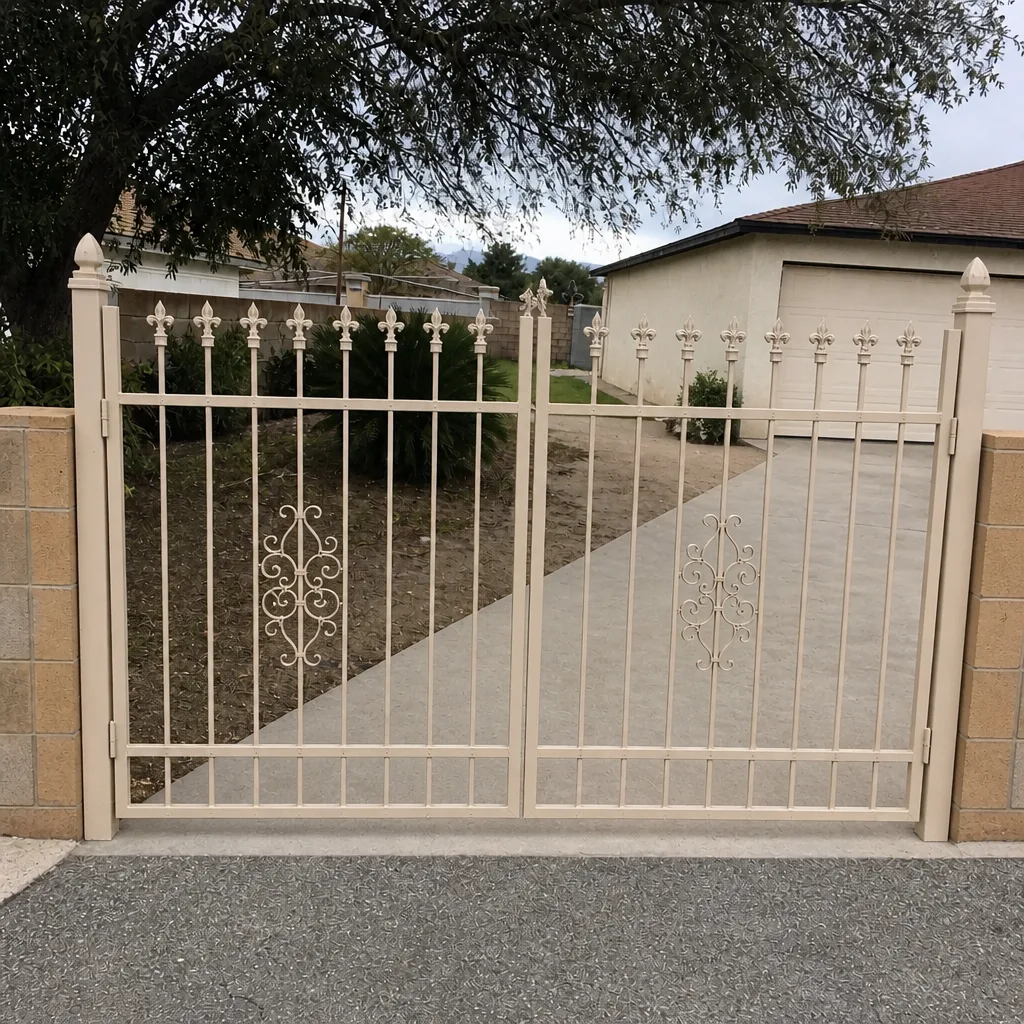
 Before
 After
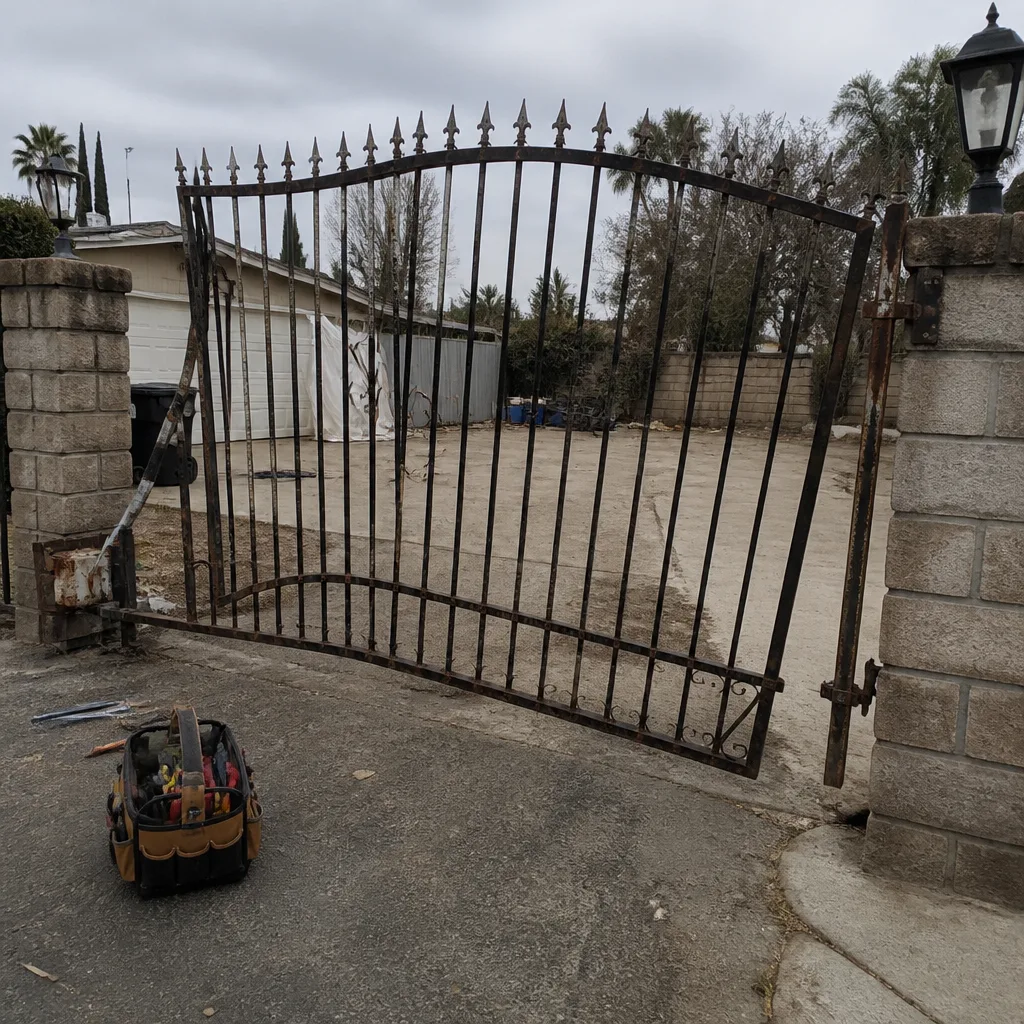 Before
 After
Frequently Asked Questions
You can perform basic maintenance like lubricating hinges, cleaning tracks, and tightening hardware, but any repair that touches the operator’s motor, control board, force settings, photo eyes, or wiring should be handled by a professional to maintain UL 325 compliance and avoid safety hazards. If the gate has a motor and the problem involves electronics, call a gate specialist.
Manual gate hardware is DIY-accessible: think hinge lubrication, latch plate adjustment, wheel replacement on slide gates, and debris clearing from tracks. These are mechanical fixes on gates without automation, or on automated gates where the operator itself is untouched. If you’re working with a manual swing gate and a socket set, you’re in safe territory.
The cost depends on the brand, the component, and whether the repair is mechanical or electrical. A hinge replacement is at the lower end, a control board replacement at the higher end, and a full operator replacement is a different scope entirely. The estimate is free, the price is set per job by the written estimate, and you’ll know the number before any work starts. Call (866) 569-6762 for a specific quote.
Repairs that replace existing components like gates, operators, or hardware typically don’t require a city permit in most cases, but the rules vary by project scope. If you’re changing the gate’s footprint, relocating a driveway sensor loop, or altering the electrical feed, ask the Perris building department about permit requirements. For component replacement and repair, most homeowners proceed without a permit.
In our experience, control board failures top the list for automated gates, driven largely by summer heat, power surges, and age. For manual gates, the most common issue is hinge wear from wind-driven dust and metal expansion in the heat. We service all nine major brands, but the failure patterns are consistent across manufacturers when the climate is as specific as Perris.
Same-day repair is available in many cases. We answer 24/7 and dispatch crews from 7am to 7pm, Sunday through Friday. A call outside dispatch hours is booked into the next opening, Sunday through Friday, 7am to 7pm. Call (866) 569-6762 and tell us what the gate is doing. We’ll give you an honest assessment and get you scheduled.
The Bottom Line
The DIY-versus-professional decision for gate repair in Perris comes down to one thing: does your gate have a motor and a control board? Manual gate hardware is genuinely DIY-friendly. Automated gate systems are not, and the reason isn’t elitism or profit protection. It’s UL 325 compliance and the fact that a gate that almost works correctly is more dangerous than a gate that doesn’t work at all. Perris homeowners who stick to hinges, latches, wheels, and track cleaning will save money and stay safe. Homeowners who open an operator housing and start adjusting force settings are making an expensive mistake, even if it doesn’t look like one for a few weeks. From a bent hinge to a failed control board, the question is the same: is this mechanical or electrical? Answer that and you know whether to pick up the tools or pick up the phone.
Written by the team at Gate Repair Perris, serving Perris since 2012.